Buy
The 2026 Guide to AI-Citable Tables: Structuring Evidence LLMs Can Trust
$ 299
Click to Zoom
Description
Mastering AI-Citable Tables: The GetCito Strategy
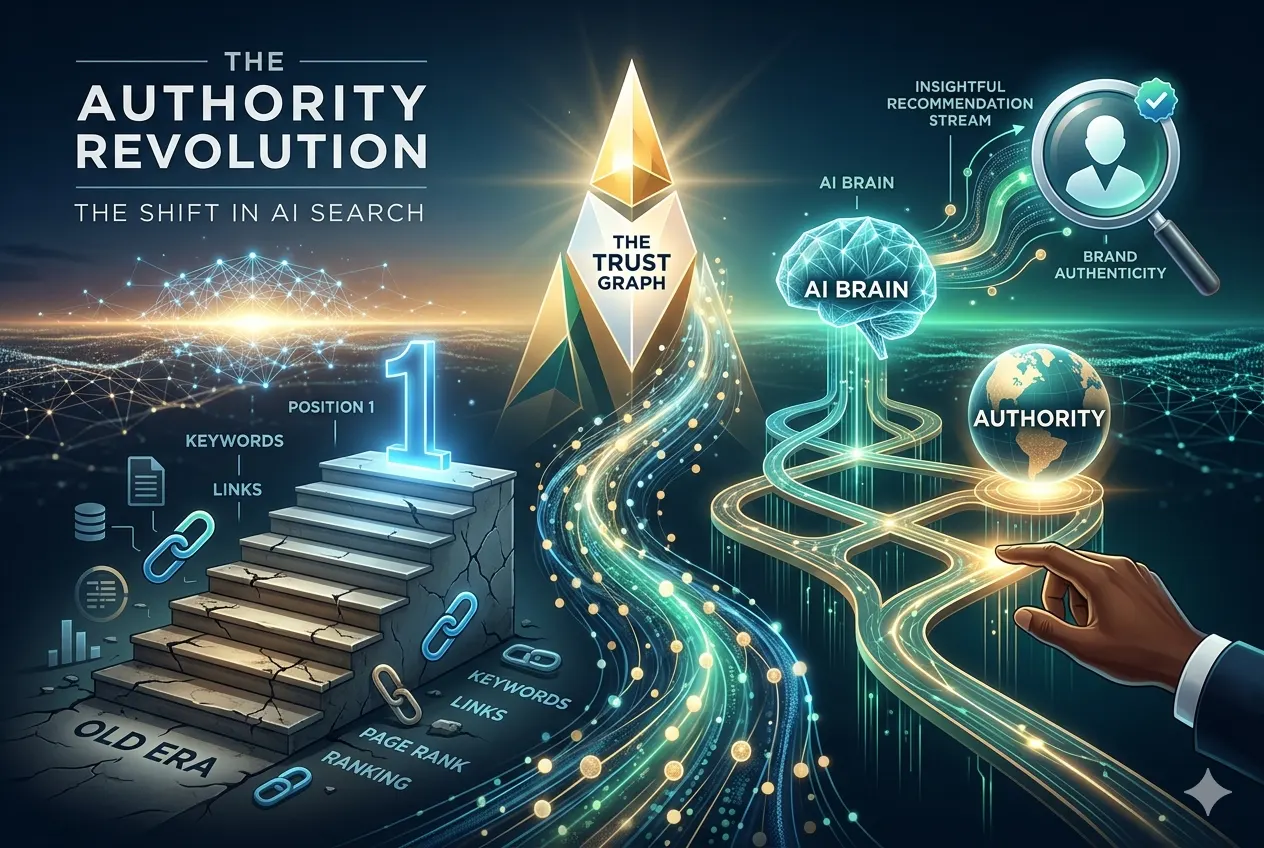
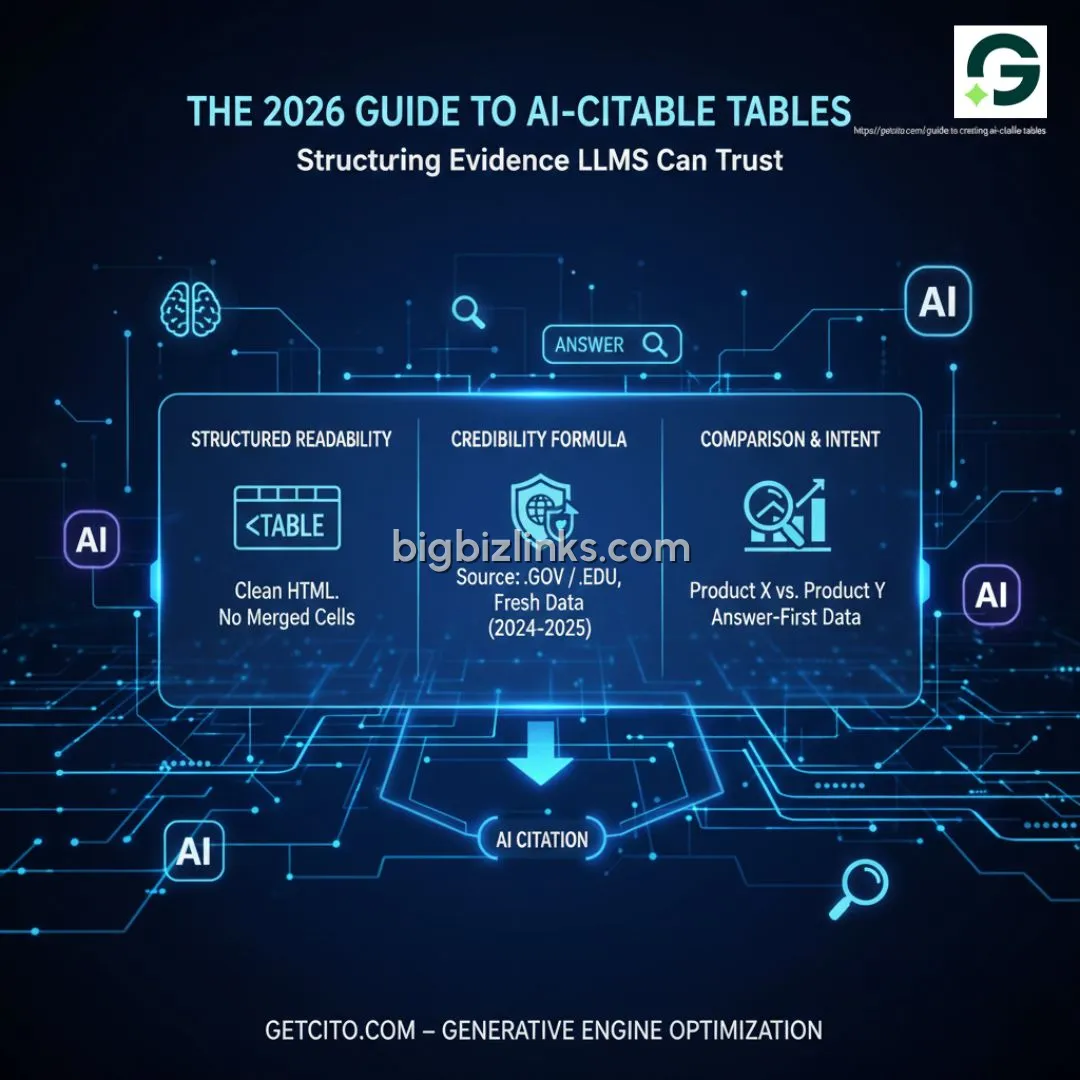
In the era of Generative Engine Optimization (GEO), traditional SEO is evolving. Large Language Models (LLMs) like ChatGPT, Claude, and Perplexity no longer just look for keywords; they seek "citable evidence." GetCito’s 2026 guide emphasizes that structured tables are the most powerful way to transform raw data into "AI bait" that triggers citations.
1. Structured Machine-Readability AI crawlers prioritize data that is easy to parse. Tables should avoid merged cells or complex nesting. Use clean HTML <table> tags rather than images or JavaScript-heavy charts. By providing a clear row-and-column structure, you allow LLMs to extract "chunk-level" information, increasing the likelihood that your specific data point is pulled into an AI summary.
2. The Credibility Formula To be cited, your tables must be "trust-heavy." GetCito recommends a "Source" row or footer for every table, linking to primary data (e.g., .gov, .edu, or major industry reports). Including specific, fresh statistics (ideally updated within the last 6–12 months) signals to AI that your content is the most current and authoritative version of the truth.
3. Comparison and Intent AI search is "answer-first." Tables that compare products, pricing, or technical specs directly answer "What is the best..." or "What are the differences between..." queries. By structuring your content as a definitive comparison matrix, you position your brand as the "data source LLMs can't ignore."
The Result: Implementing these AI-citable structures forces answer engines to credit you as the go-to source, future-proofing your visibility as organic clicks shift toward AI-generated responses. https://getcito.com/guide-to-creating-ai-citable-tables
In the era of Generative Engine Optimization (GEO), traditional SEO is evolving. Large Language Models (LLMs) like ChatGPT, Claude, and Perplexity no longer just look for keywords; they seek "citable evidence." GetCito’s 2026 guide emphasizes that structured tables are the most powerful way to transform raw data into "AI bait" that triggers citations.
1. Structured Machine-Readability AI crawlers prioritize data that is easy to parse. Tables should avoid merged cells or complex nesting. Use clean HTML <table> tags rather than images or JavaScript-heavy charts. By providing a clear row-and-column structure, you allow LLMs to extract "chunk-level" information, increasing the likelihood that your specific data point is pulled into an AI summary.

2. The Credibility Formula To be cited, your tables must be "trust-heavy." GetCito recommends a "Source" row or footer for every table, linking to primary data (e.g., .gov, .edu, or major industry reports). Including specific, fresh statistics (ideally updated within the last 6–12 months) signals to AI that your content is the most current and authoritative version of the truth.
3. Comparison and Intent AI search is "answer-first." Tables that compare products, pricing, or technical specs directly answer "What is the best..." or "What are the differences between..." queries. By structuring your content as a definitive comparison matrix, you position your brand as the "data source LLMs can't ignore."
The Result: Implementing these AI-citable structures forces answer engines to credit you as the go-to source, future-proofing your visibility as organic clicks shift toward AI-generated responses. https://getcito.com/guide-to-creating-ai-citable-tables
Specifications
| Service Mode | Online/Remote |
|---|---|
| Duration | Subscription |
| Visit Charges | Yes |
| Address | A-64, A Block, Sector 63, Noida, Uttar Pradesh, Noida, India |
|---|
Map Location
| Category | Services |
|---|---|
| Subcategory | Real Estate Services |
| Contact Email | team@getcito.com |
|---|---|
| Contact Mobile | +91-9650510773 |