AI Authority Marketing: The Future of SEO, Brand Authority & AI Search Visibility in 2026
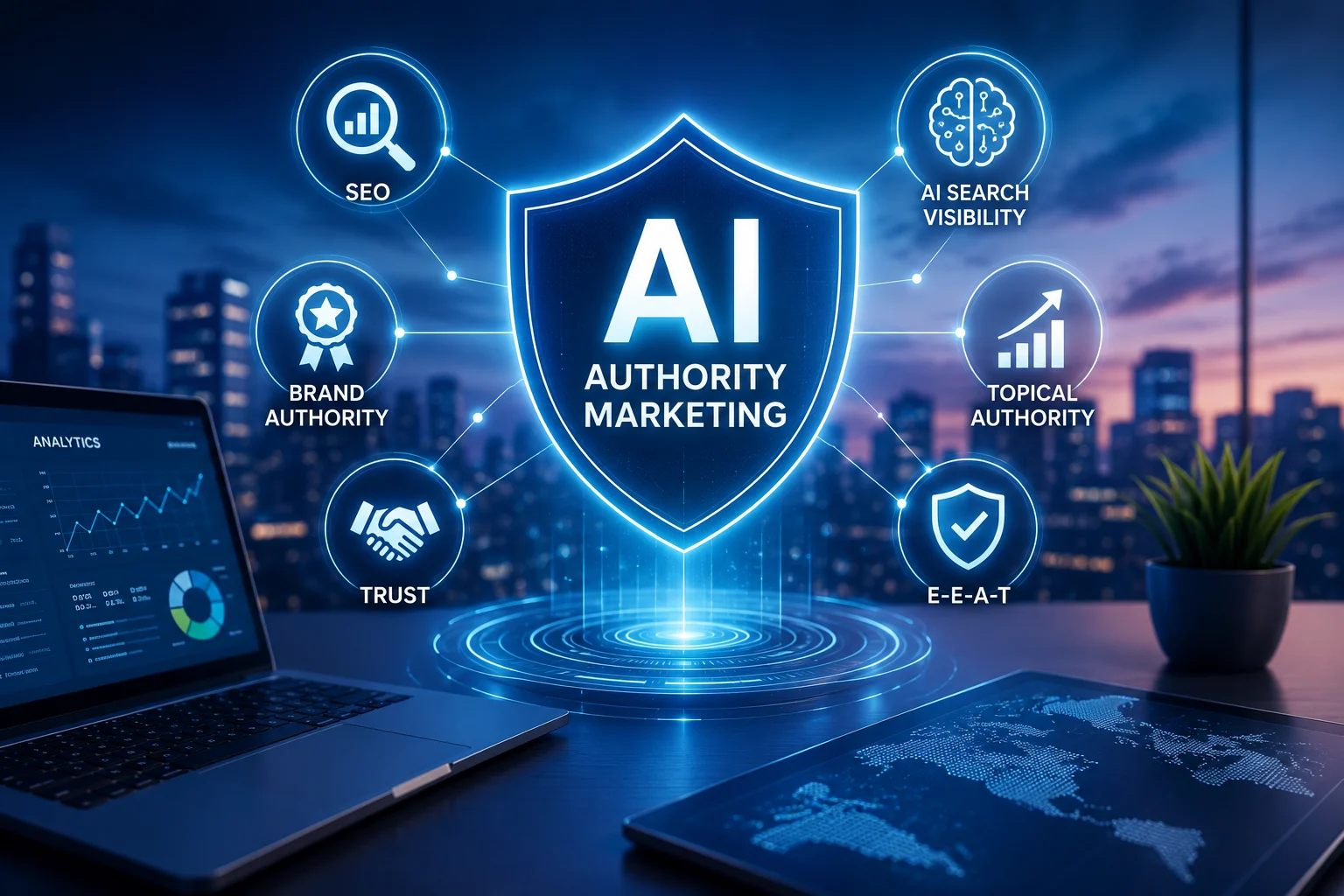
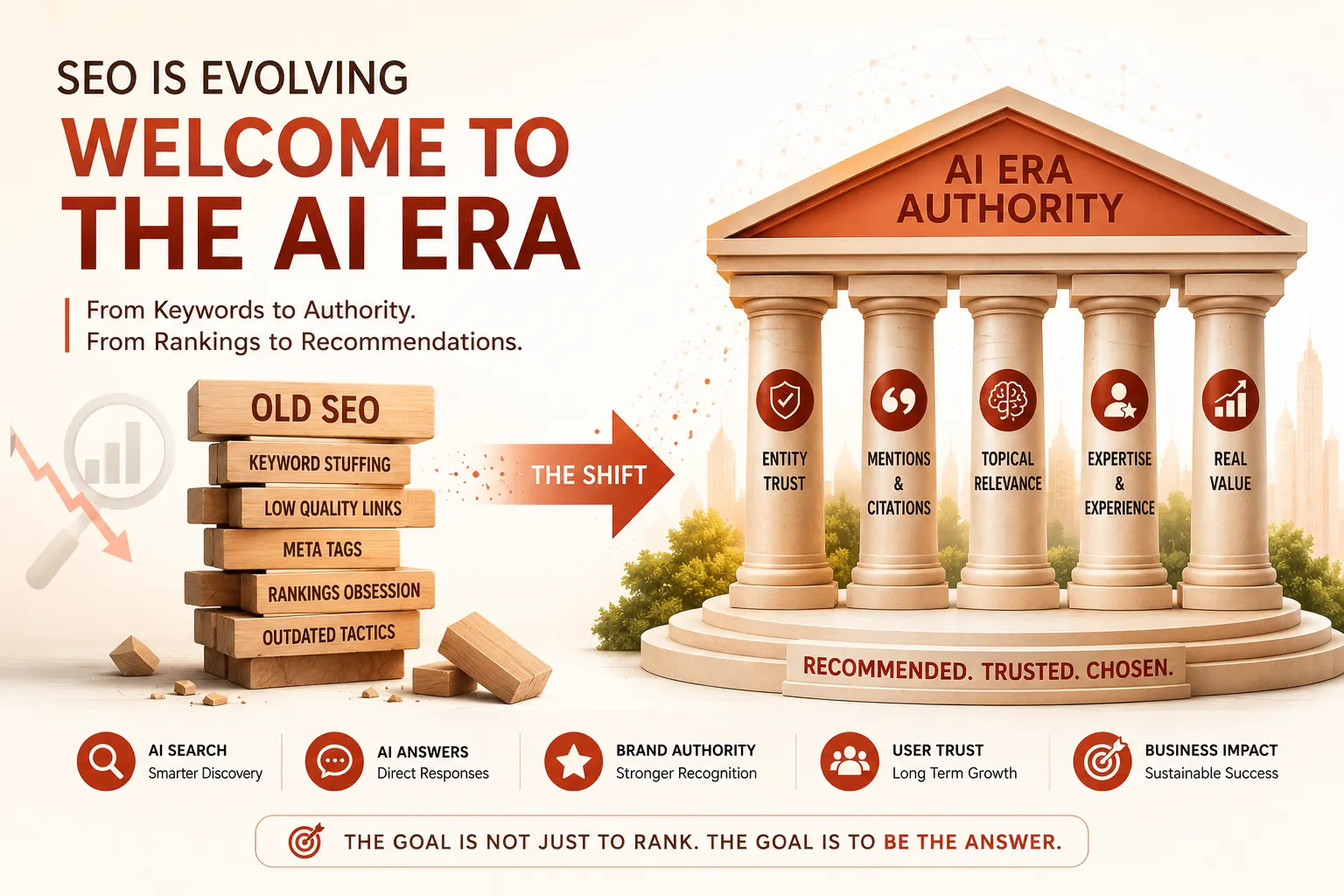
The digital marketing landscape is evolving faster than ever before, fundamentally altering how brands connect with their audiences. Traditional Search Engine Optimization (SEO) strategies that once focused almost exclusively on keyword density, metadata, and backlink volume are no longer sufficient to dominate digital visibility. As we move through 2026, the paradigm has shifted toward something far more comprehensive and influential: AI Authority.
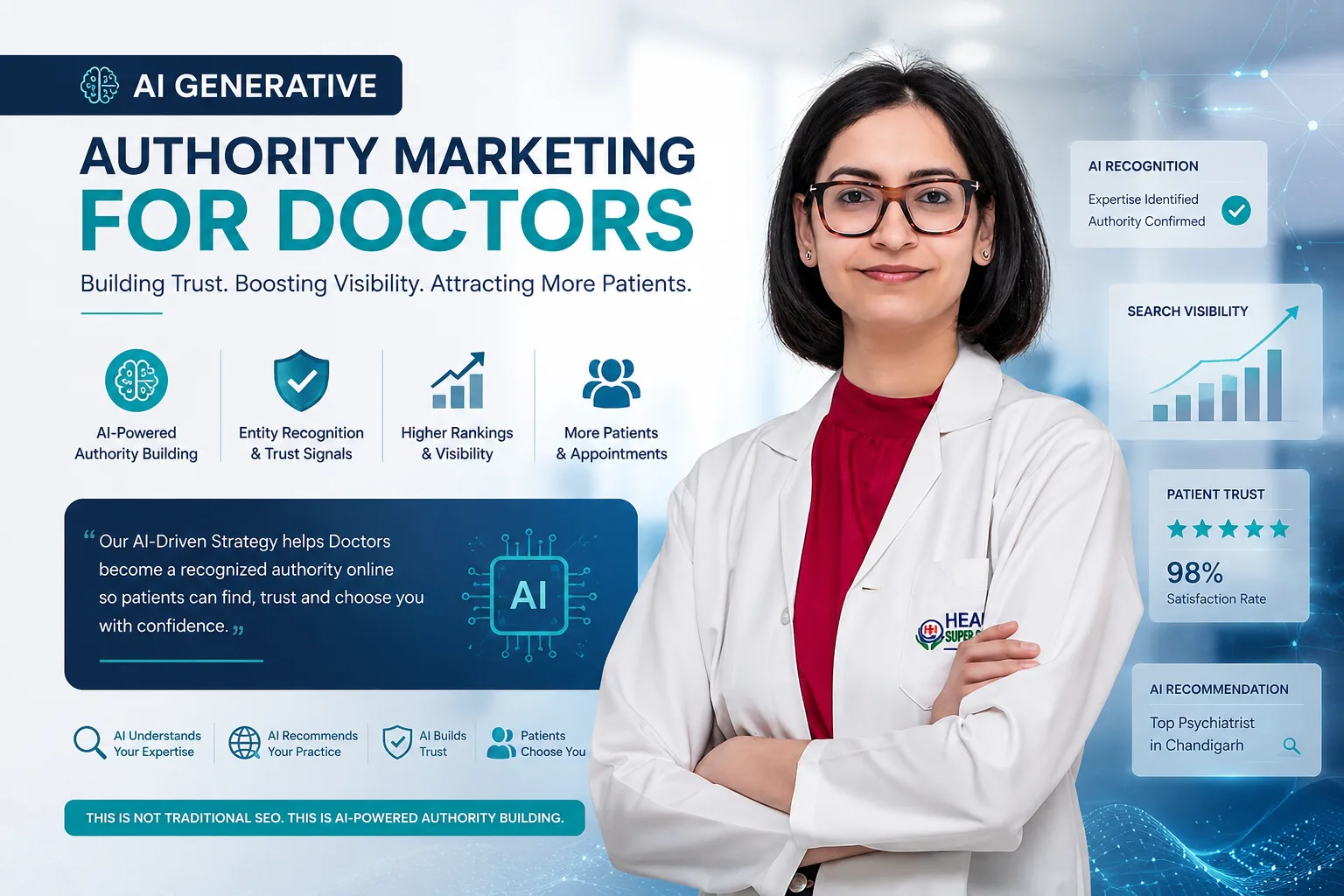
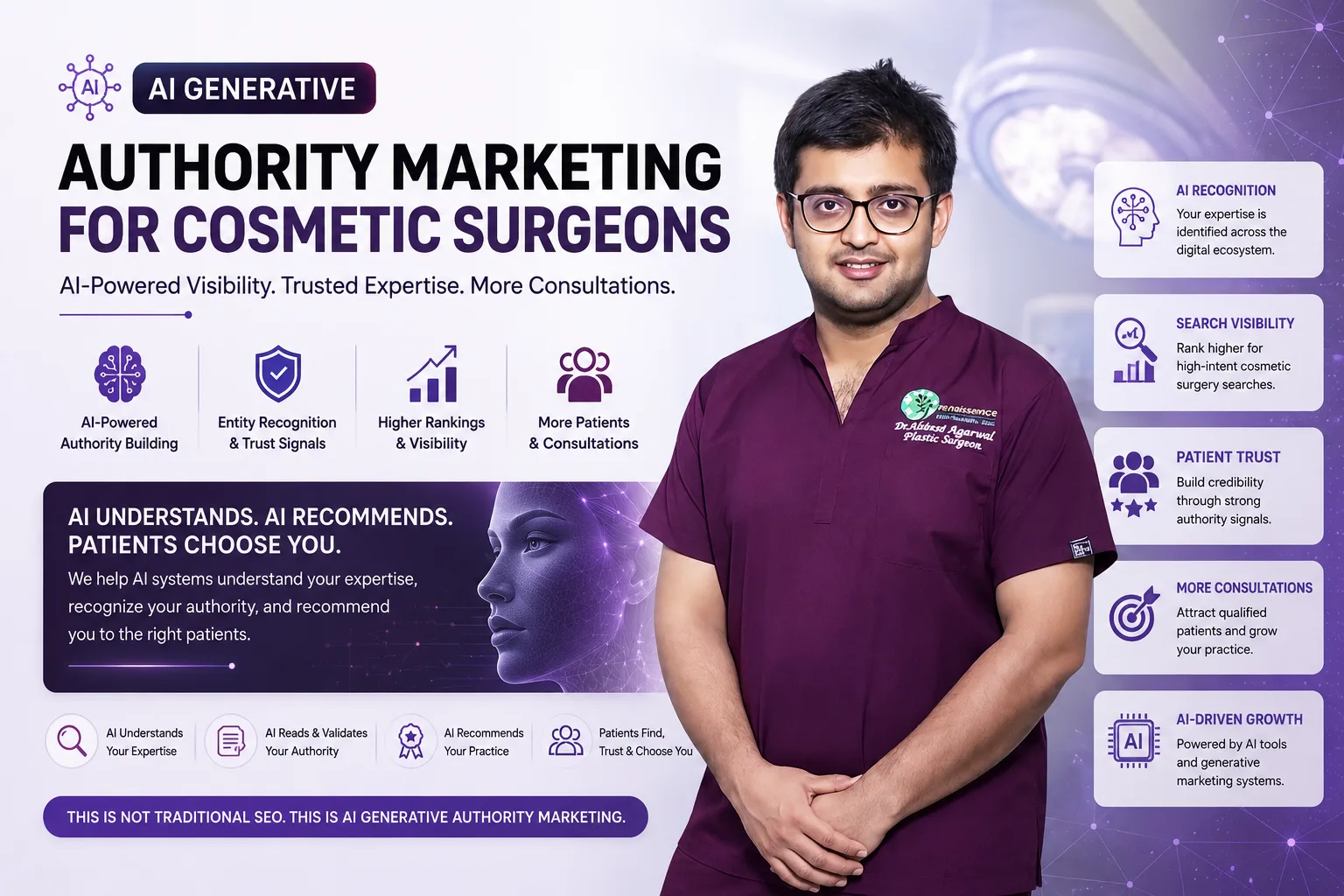
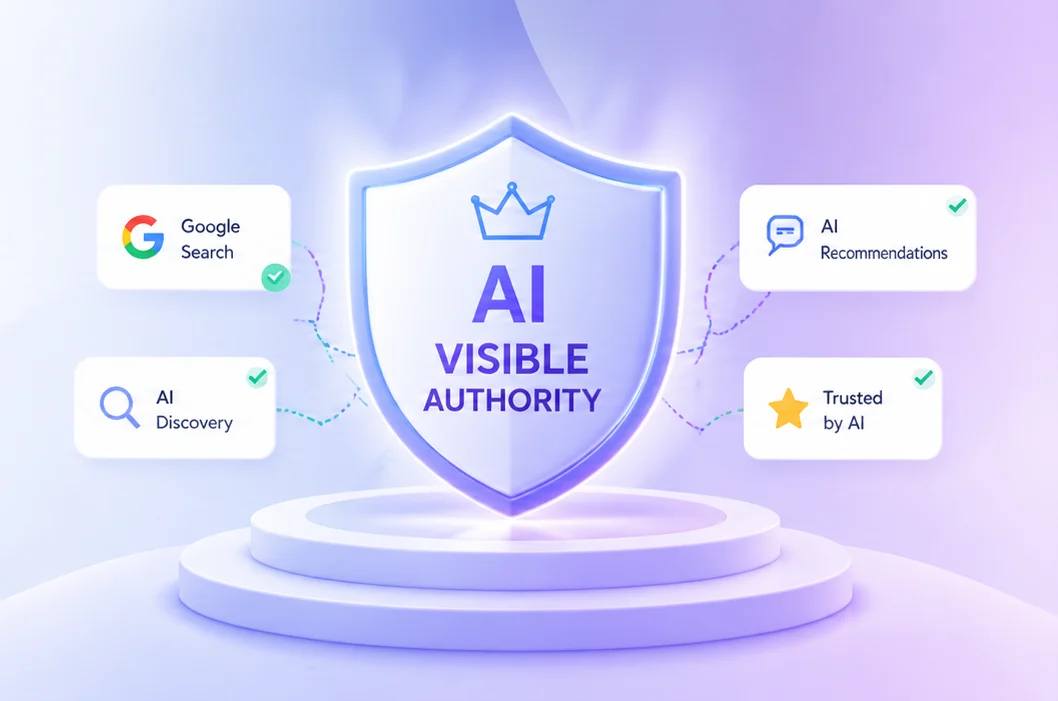
AI Authority Marketing represents the next major evolution in the intersection of search engines and business branding. It is a multi-dimensional approach that integrates technical SEO, structured data, and deep topical expertise with specialized AI-friendly content strategies. The ultimate goal is to position a business as a recognized, trusted entity across a diverse ecosystem of discovery tools, ranging from traditional Google Search to advanced AI platforms like ChatGPT, Gemini, Bing AI, and Perplexity.
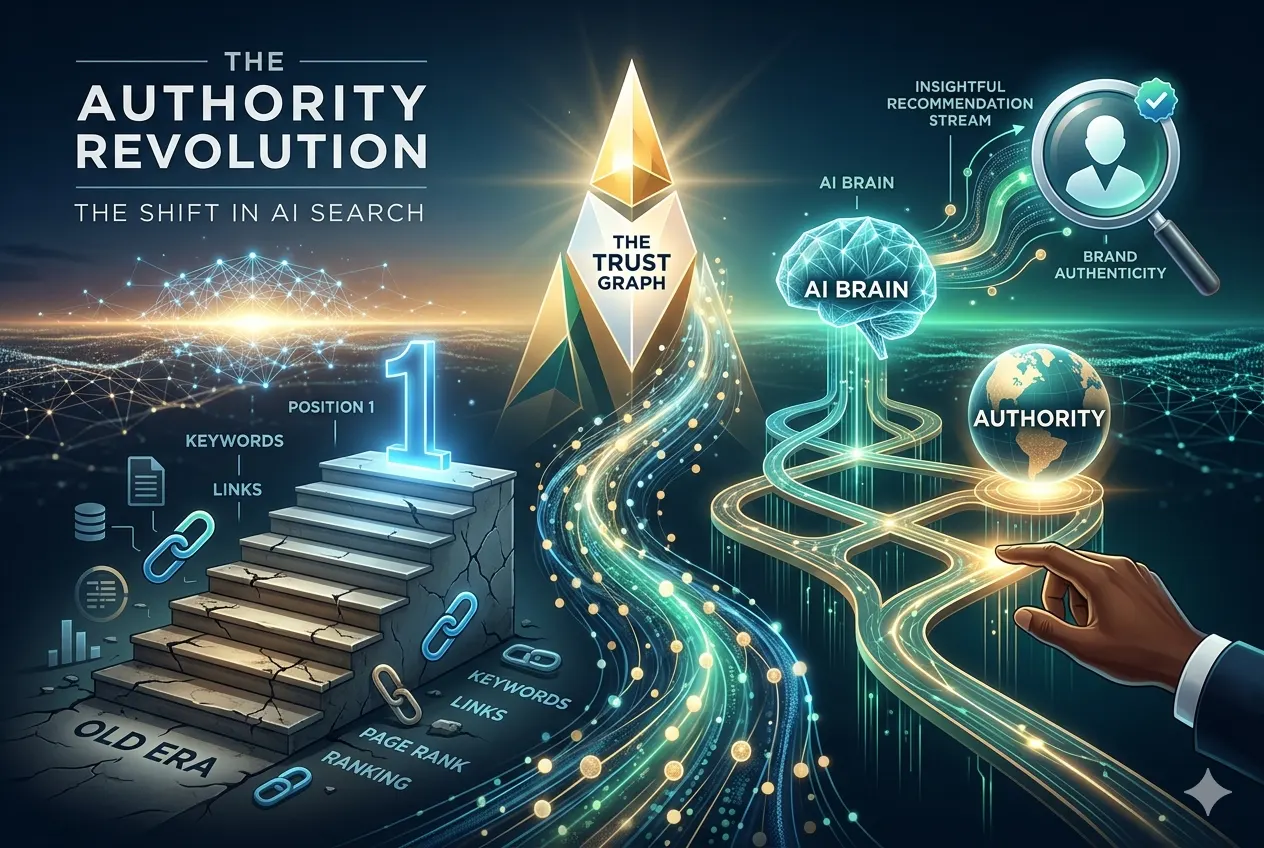
In the current era, modern AI systems have moved beyond simply ranking individual web pages based on a specific query. Instead, these sophisticated models evaluate a complex web of signals including trust, expertise, consistency, and brand reputation. They scan the internet for citations, reviews, and user engagement metrics to determine which businesses are credible enough to be recommended. Consequently, companies that succeed in establishing strong authority become more than just high-ranking search results; they become the primary sources cited within AI-generated answers and summaries.
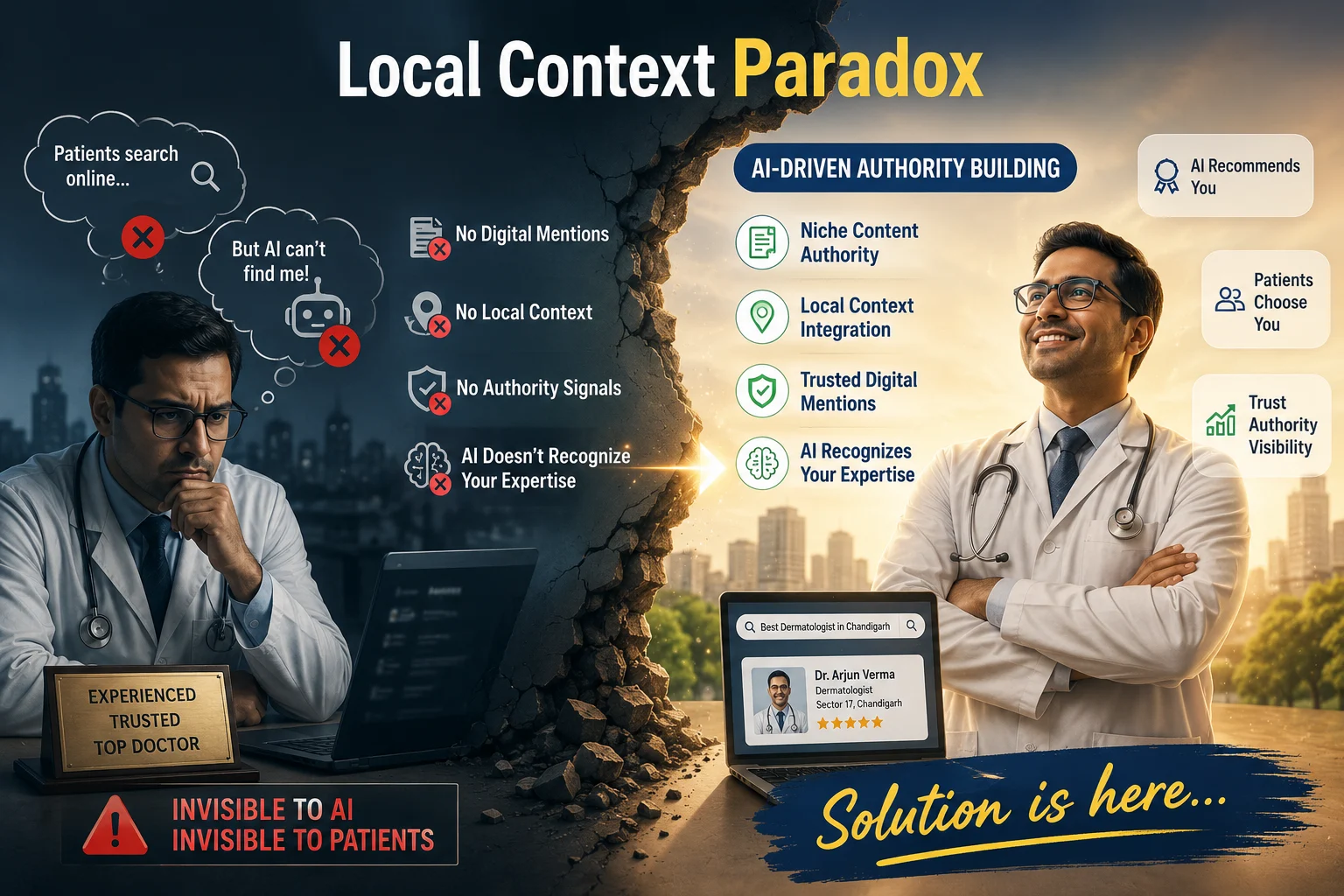
Businesses that choose to ignore this shift toward AI Authority Marketing risk a slow descent into digital invisibility. The future digital ecosystem is being built around the concept of verified trust. Conversely, brands that proactively invest in authority building today are not just chasing temporary traffic; they are cultivating long-term digital assets that compound in value, creating a sustainable competitive advantage that grows over time.
Defining AI Authority Marketing
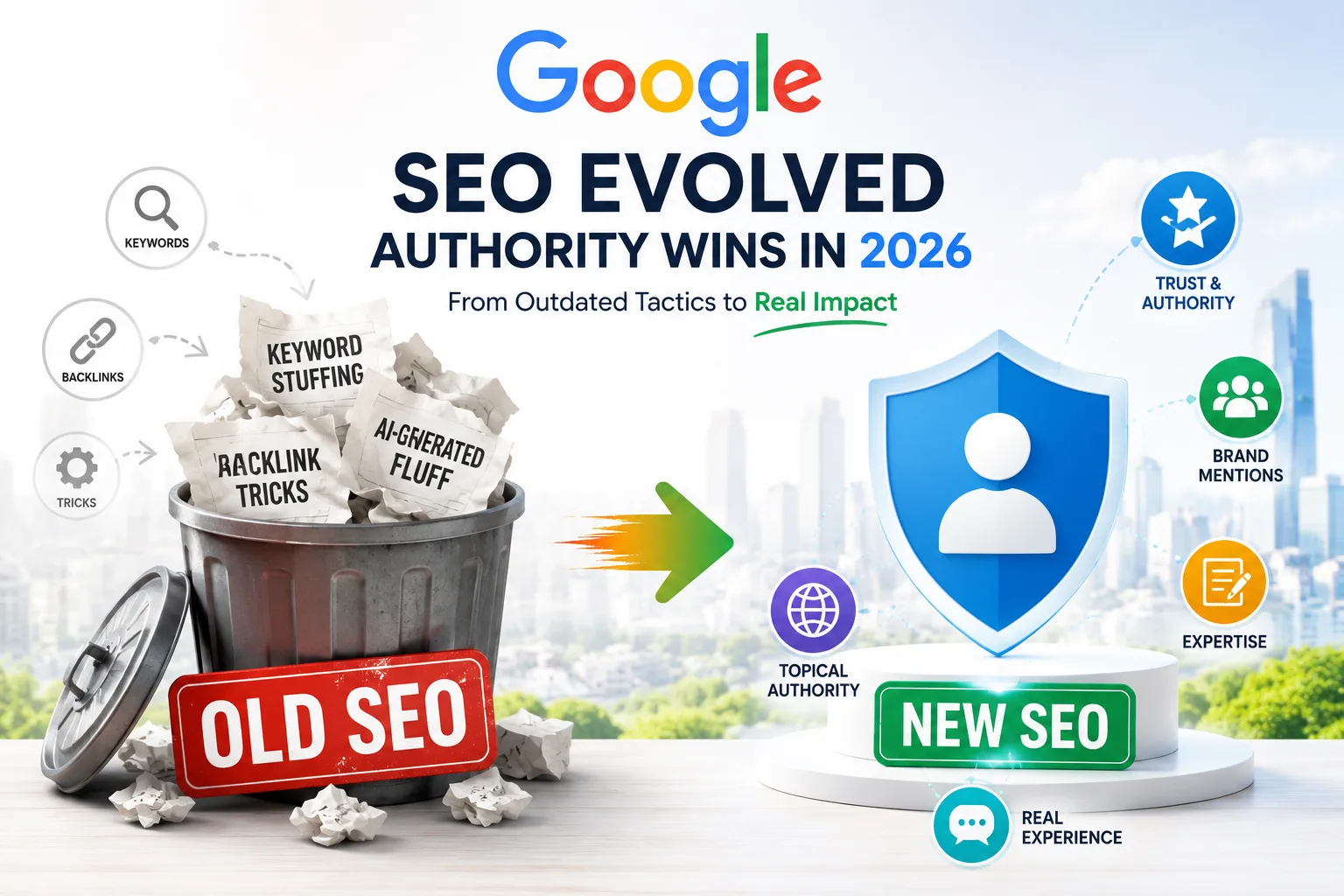
At its core, AI Authority Marketing is a strategic digital marketing framework focused on establishing a business as a preeminent expert within its specific industry. This is achieved through a synergy of human-led expertise and AI-driven optimization techniques. It moves the needle from "ranking" to "reputation," ensuring that the brand is perceived as an authority by both human users and the algorithms that serve them.
Unlike the "old-school" SEO methods that prioritized tricking algorithms through keyword stuffing or low-quality link building, AI Authority Marketing is a holistic discipline. It focuses on strengthening Experience, Expertise, Authoritativeness, and Trustworthiness (E-E-A-T) signals. This includes generating external trust signals and creating deep topical authority clusters that demonstrate a comprehensive understanding of a subject matter.
The fundamental shift here is that search engines and AI systems now prioritize "entities"—real, verifiable businesses and people—rather than isolated pages. This transformation has effectively turned SEO from a technical game of tag into a long-term, reputation-based strategy. To be visible in 2026 is to be trusted, and to be trusted, a brand must be recognized as an authority by the models that parse the world's information.
The New Frontier: AI Search Engines
AI-powered search is drastically changing user behavior. The traditional "ten blue links" model is being superseded by direct answers and conversational discovery. Instead of navigating through multiple websites to find a piece of information, users are increasingly asking direct questions to AI systems like ChatGPT, Google AI Overviews, Gemini, Microsoft Copilot, and Claude.
These AI systems function by synthesizing information from what they deem to be the most trusted sources available on the web. They then present a direct, summarized answer to the user. For a business, the prize is no longer just the number one spot on a results page; it is being the source that the AI references, recommends, and cites within its generated response.
This is precisely why AI Authority Marketing has become the critical driver of visibility. While traditional SEO was concerned with the mechanics of ranking a page, AI-driven SEO is concerned with the brand being the "source of truth" behind the answer. If an AI model cannot verify your authority on a topic, it simply will not suggest your business to the user, regardless of how well-optimized your technical SEO might be.

Create Your AI Recommended Authority 🧠 Soar high in Search Engines
Become the AI-Recommended Business. AI-powered search evaluates authority signals, not just keywords.
The Search Game 🚀 Has Changed
When AI sees you everywhere, clients trust you faster.
Get your article / story / news written by AI, meticulously curated by Real-Human and Published with us, then we will destribute that across 1000s of blogs and premium news portal.
🚀 Build My Authority Now Chat with an ExpertThe Growing Value of Business Authority
In 2026, search engines have effectively become reputation management systems. Google and other AI providers have a vested interest in protecting their users from misinformation, spam, and unreliable services. To maintain their own utility, these engines must prioritize authority as one of the most significant factors in their recommendation engines.
A business that successfully cultivates strong authority enjoys a range of compounding benefits. Beyond just higher rankings in traditional search, these brands see increased visibility in AI search results, which translates to higher levels of customer trust and improved conversion rates. When a brand is cited by an AI as a trusted expert, the "social proof" provided by the AI's endorsement leads to better brand recall and higher click-through rates.
Furthermore, authority-driven strategies offer a level of stability that traditional SEO cannot match. While manipulative SEO tactics are often wiped out by core algorithm updates, authority-based assets tend to survive and even thrive after such changes. Unlike paid advertising, which ceases to provide value the moment the budget is cut, the authority you build today acts as a permanent foundation for sustainable, organic growth.
E-E-A-T: The Pillars of Modern Trust
Google’s E-E-A-T framework—Experience, Expertise, Authoritativeness, and Trustworthiness—has become the gold standard for modern content evaluation. AI systems are increasingly programmed to look for these specific signals before deciding to cite or recommend a piece of content. For businesses, this means that every piece of digital output must be scrutinized through the lens of these four pillars.
Strengthening these signals requires a commitment to transparency and quality. It involves publishing content written by verified experts with clear credentials, showcasing original research, and maintaining a consistent brand voice across all platforms. It also means actively managing the brand's reputation through authentic customer reviews and ensuring that the business information provided online is accurate and consistent.
By prioritizing E-E-A-T, businesses significantly increase their chances of appearing in high-value real estate related to commercial property, property investment like Google AI Overviews and other AI-generated summaries. In an era of AI-generated noise, showing real-world experience and human expertise is the most effective way to stand out and prove to both search engines and users that your brand is the reliable choice.
Generative Engine Optimization (GEO)
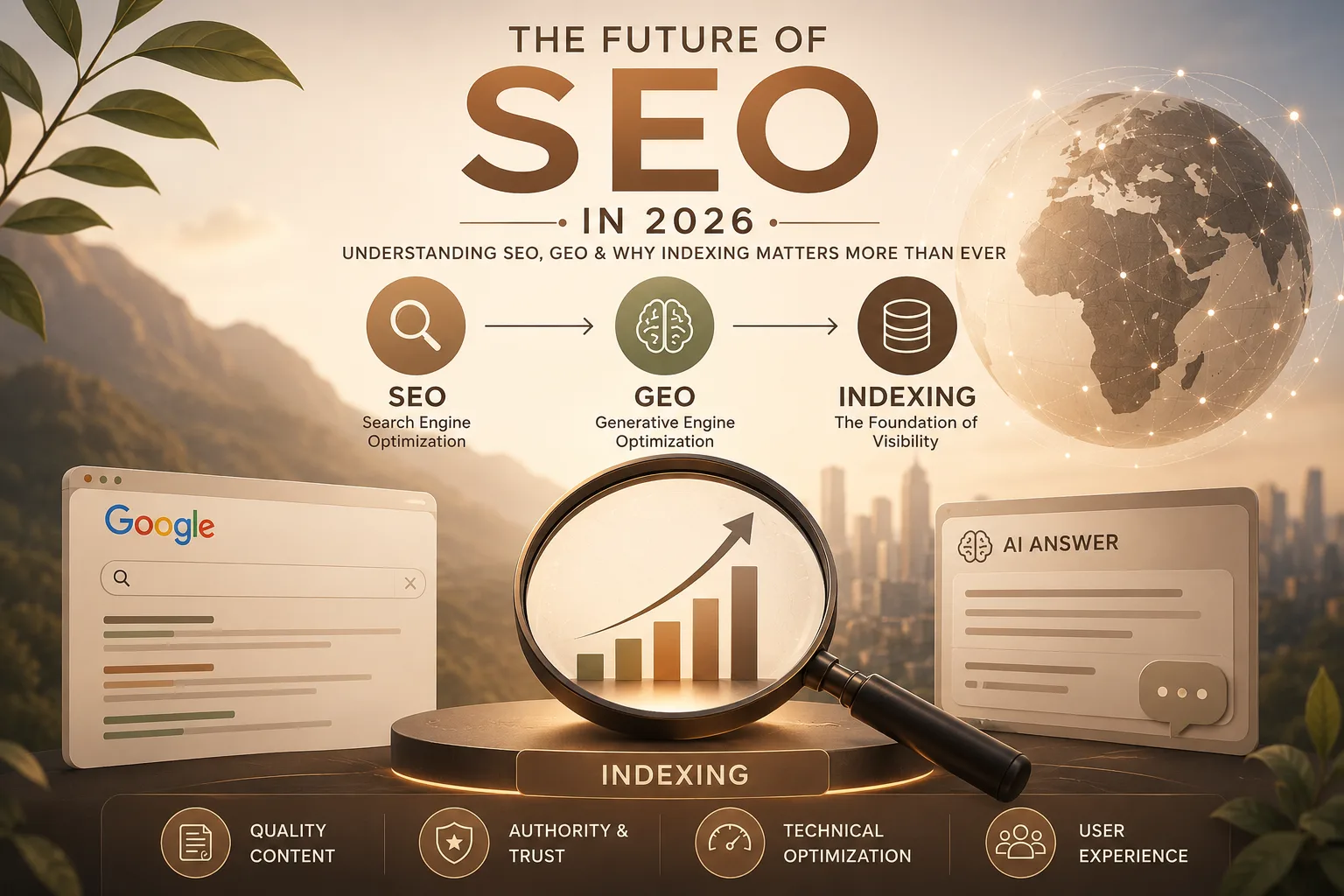
As search engines evolve, so must our optimization techniques. This has led to the rise of Generative Engine Optimization, or GEO. GEO is essentially the evolution of SEO, designed specifically for the era of Large Language Models (LLMs) and AI answer engines. While SEO was built for crawlers, GEO is built for thinkers—models that try to understand the context and intent behind information.
Effective GEO involves a shift toward highly structured and semantically rich content. This includes using clear question-and-answer patterns that mirror how users interact with AI, as well as implementing comprehensive schema markup to help AI understand the "who, what, and where" of your business. The goal is to provide concise, factual, and context-heavy information that is easy for an AI to digest and summarize.
AI systems have a strong preference for content that is organized and factually reliable. By building an "AI-readable" information architecture on your website, you ensure that these models can easily extract the data they need to recommend you. Businesses that master GEO are gaining a massive competitive edge in the race for AI search visibility, as they are making it as easy as possible for the AI to "choose" them.
Topical Authority vs. Brand Authority
A common mistake many digital marketers make is focusing too narrowly on topical authority while neglecting brand authority. Topical authority refers to the depth of coverage a website provides on a specific subject. While having hundreds of articles on a topic is valuable, it is only half of the equation in 2026.
AI systems evaluate both topical depth and the overall reputation of the entity behind the content. Brand authority is the wider measure of trust, recognition, and credibility that a business has established across the entire internet. In the current landscape, brand authority often carries more weight than pure topical coverage because AI systems are risk-averse; they would rather recommend a recognized, trusted brand than an obscure site that has more content but less verified reputation.
The most successful digital strategies in 2026 are those that marry these two concepts. By combining deep, expert-level topical coverage with a robust and recognizable brand presence, businesses create an "authority moat" that is difficult for competitors to cross. This dual focus ensures that search engines see you as both the most knowledgeable and the most reliable source available.
How Authority Strategies Supercharge SEO
AI Authority Marketing doesn't replace traditional SEO; it supercharges it. By focusing on authority, you naturally improve multiple signals that search engines value. For instance, structured authority content provides a better semantic understanding of your business, making it easier for engines to categorize your expertise.
Furthermore, expert-level content inherently drives higher user engagement. When visitors find genuinely helpful, authoritative information, they spend more time on the site, return more often, and share the content more frequently. This behavior sends powerful signals back to search engines that your site is a high-quality destination.
Authority also acts as a natural magnet for high-quality backlinks. Other websites and influencers are far more likely to cite and link to a brand that is recognized as an industry leader. This creates a virtuous cycle: your authority leads to more citations, which in turn increases your visibility in AI systems, further solidifying your position as a trusted market leader.
The Human Element in an AI World
One of the most significant pitfalls in the current market is the over-automation of content production. While it is tempting to use AI to mass-produce articles, doing so often results in generic, shallow content that lacks the very thing AI systems are looking for: original insight and real-world experience.
Authentic expertise is becoming more valuable precisely because it is harder to replicate. AI-generated drafts can certainly help with efficiency and scaling, but they must be guided and refined by human experts who can provide depth, strong opinions, and industry perspectives. The future of marketing belongs to those who use AI as a powerful assistant rather than a total replacement for human intellect.
By infusing your authority marketing with genuine human experience—such as case studies, original research, and unique professional insights—you create content that AI models find highly "citable". In 2026, the most successful brands are those that balance AI scalability with the undeniable credibility of human expertise.
Cultivating External Trust Signals
Authority is not built in a vacuum; it is validated by the rest of the world. While your own website is your primary platform, external signals play a massive role in how AI systems evaluate your trust levels. This "off-page" authority is just as important as your on-site content.
Signals such as media mentions, guest articles on reputable industry sites, and features in PR campaigns are used by Google and AI engines to verify your reputation across the web. Customer reviews, social proof, and even your presence in major business directories act as third-party endorsements that confirm your status as a legitimate authority.
To build a truly authoritative brand, businesses must look beyond their own domains. Engaging in expert interviews, participating in industry panels, and consistently appearing in diverse media outlets helps build a web of citations that reinforces your brand’s expertise. This external validation is what ultimately convinces an AI model that your business is a safe and high-quality recommendation for its users.
Conclusion: A Long-Term Investment in Trust
AI Authority Marketing is far more than a passing trend; it is the fundamental shift of the digital landscape toward an entity-based, trust-driven future. As search engines and AI systems become more sophisticated, they will increasingly reward businesses that have done the hard work of building a genuine reputation.
Investing in authority creates a compounding digital asset. Every citation, every expert insight, and every positive review you earn today contributes to a permanent ecosystem of trust that will continue to pay dividends for years to come. This strategy leads to sustainable organic traffic, higher lead quality, and a significantly reduced dependency on expensive paid advertising.
In 2026 and beyond, the companies that dominate their markets will not be the ones that produced the most noise. Instead, they will be the businesses that became the most trusted voices in their respective industries. By combining technical SEO, AI optimization, and authentic human expertise, you can ensure that your brand is not just seen, but respected and recommended by the technologies of the future.
Frequently Asked Questions
What is AI Authority Marketing?
How does AI Authority Marketing improve SEO?
What is Generative Engine Optimization (GEO)?
Why is brand authority important in SEO?
Can AI-generated content build authority?
What are E-E-A-T signals?
How can businesses improve AI search visibility?
What is the difference between topical authority and brand authority?
| Badge |
|---|
| Topic | AI Authority Marketing |
|---|---|
| Tags | Ai Authority Marketing • Ai Seo, Geo Optimization, Ai Search Visibility, Generative Engine Optimization, Topical Authority, E-e-a-t Seo, Authority Building, Structured Authority, Ai Content Marketing, Ai Search Engine Optimization, Google Ai Overviews, Chatgpt Seo, Expert Content Strategy, Ai Discoverability, Search Engine Authority |
- Narrative Content: Certain stories and case studies may utilize creative representation or composite characters to better illustrate complex business concepts or industry perspectives. While inspired by real-world market trends, specific names or events in these narrative sections are intended for illustrative use.
- Professional Accuracy: Our technical articles and industry news aim for the highest standards of factual integrity. However, this content should not replace professional, medical, or legal advice.
- Liability: Readers are encouraged to verify specific data points independently. By using this site, you acknowledge that the publisher and authors are not liable for actions taken based on the interpretations of these illustrative or educational materials.