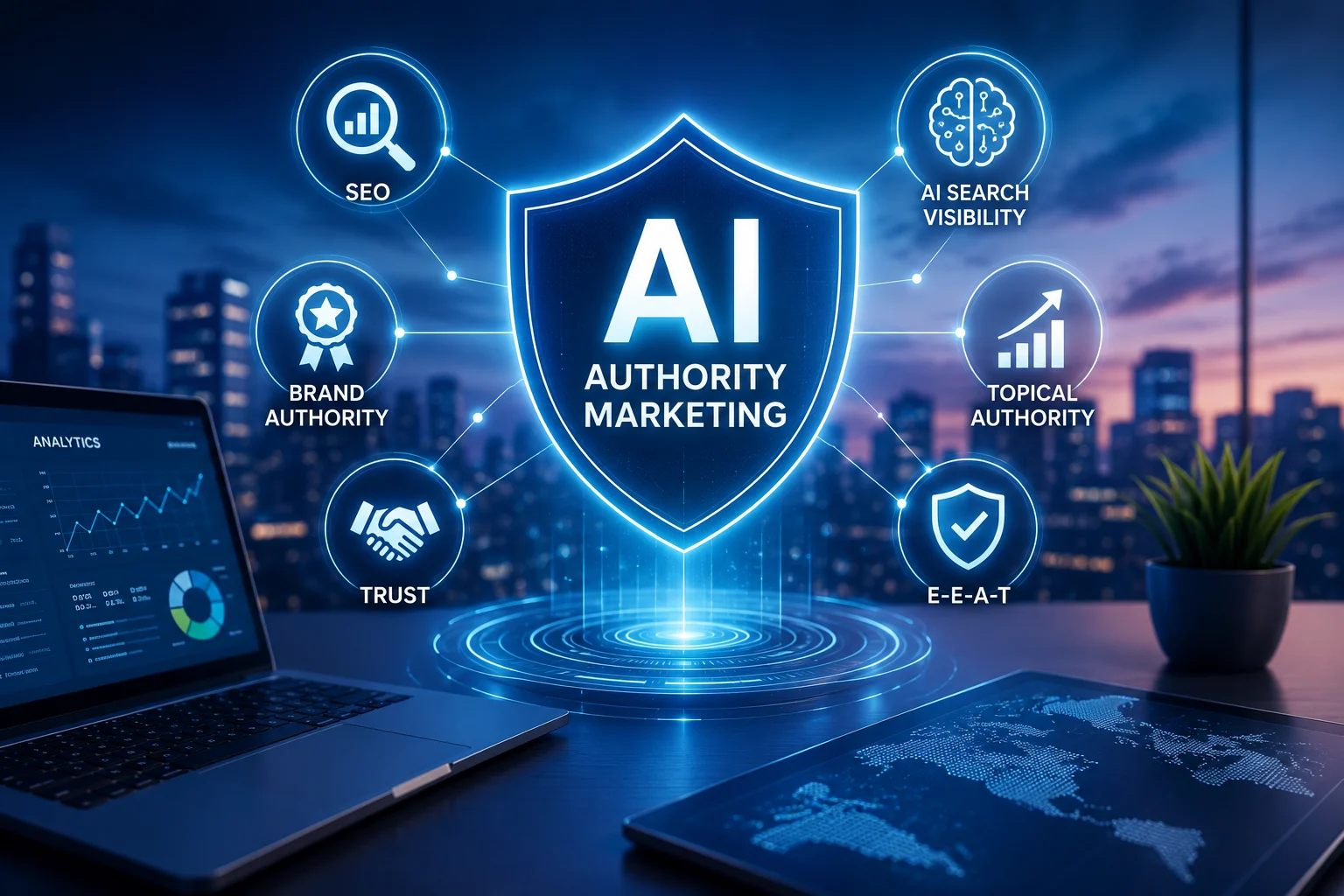
The Future of SEO in 2026: Understanding Search Engine Optimization, GEO & Why Indexing Matters More Than Ever
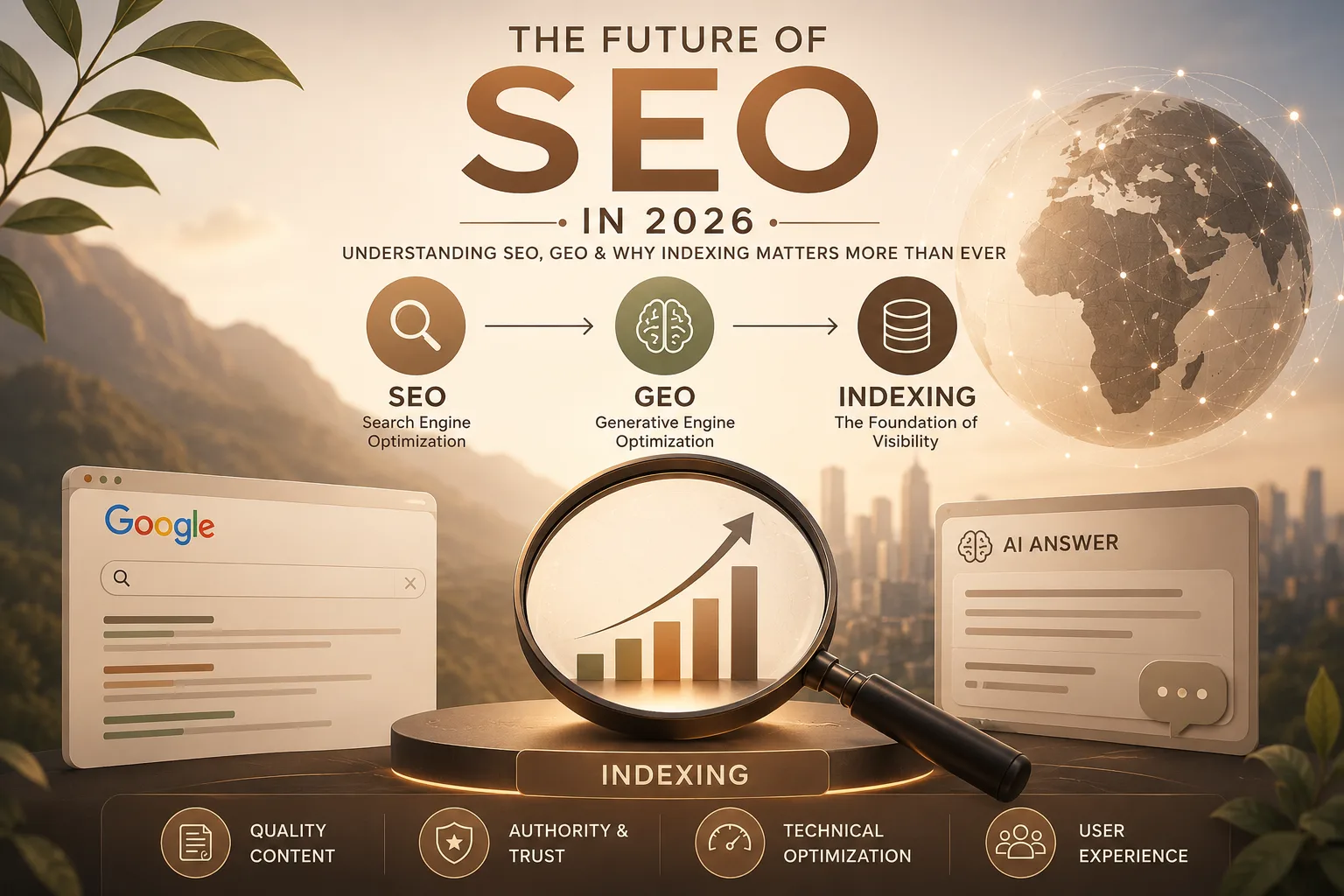
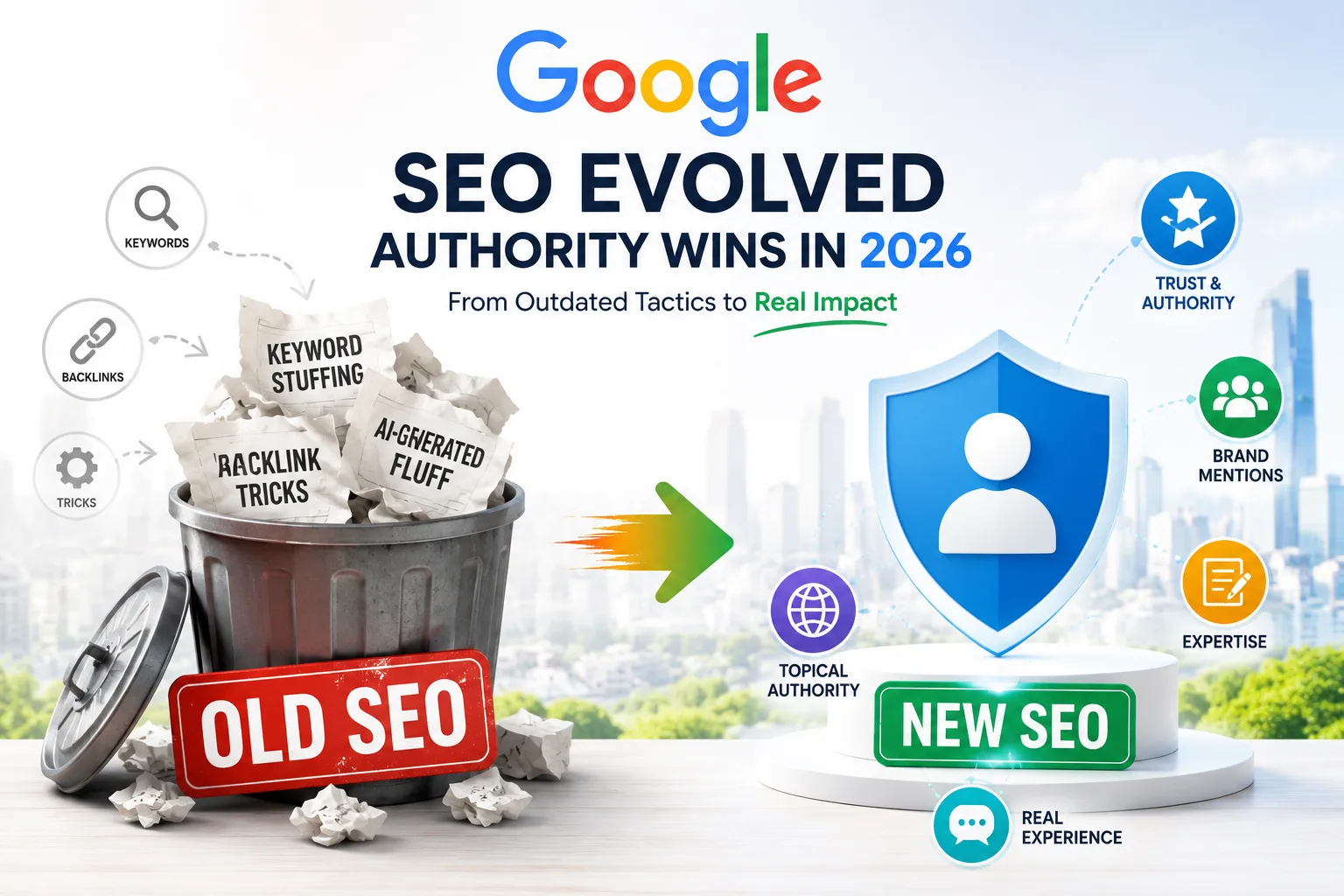
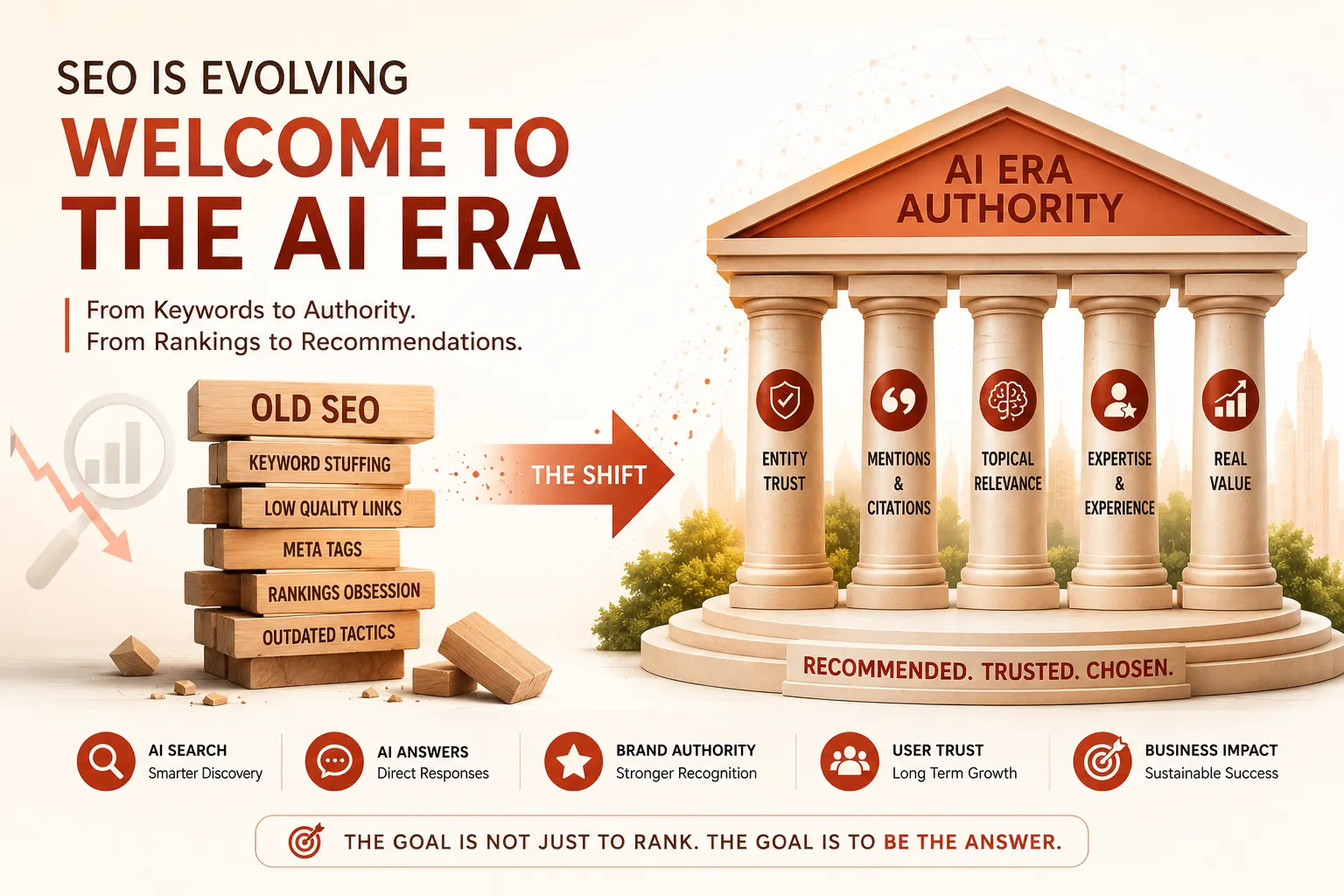
For years, businesses focused heavily on traditional SEO techniques like keywords, backlinks, and blog optimization to rank on Google. While these methods still matter, the internet is evolving rapidly. Artificial Intelligence, AI-powered search engines, and conversational search are changing how users discover information online.
In 2026, businesses are no longer competing only for Google rankings. They are competing for visibility inside AI-generated answers, voice assistants, chatbots, and recommendation systems. This is where the shift from SEO to GEO begins.
Understanding Search Engine Optimization, Generative Engine Optimization (GEO), and website indexing is now essential for every business owner, doctor, manufacturer, consultant, startup, and service provider.
What is Search Engine Optimization (SEO)?
Search Engine Optimization, commonly known as SEO, is the process of improving a website’s visibility on search engines like Google, Bing, and Yahoo. The goal of SEO is to help websites appear higher in search results when users search for relevant products, services, or information.
For example, if a dental clinic wants to rank for “best dentist in Chandigarh,” SEO helps optimize the website so Google understands the business relevance and displays it to potential patients.
Traditional SEO focuses on:
- Keyword optimization
- High-quality content creation
- Technical website improvements
- Mobile responsiveness
- Website speed optimization
- Backlink building
- User experience enhancement
How SEO Worked Traditionally
Earlier, search engines mainly relied on keywords and backlinks to determine rankings. Businesses created long-form content filled with target keywords, built backlinks from directories and blogs, and optimized meta tags.
This approach worked effectively for many years because search engines depended heavily on webpage signals to understand relevance and authority.
However, user behavior has changed dramatically.
Today, people ask conversational questions such as:

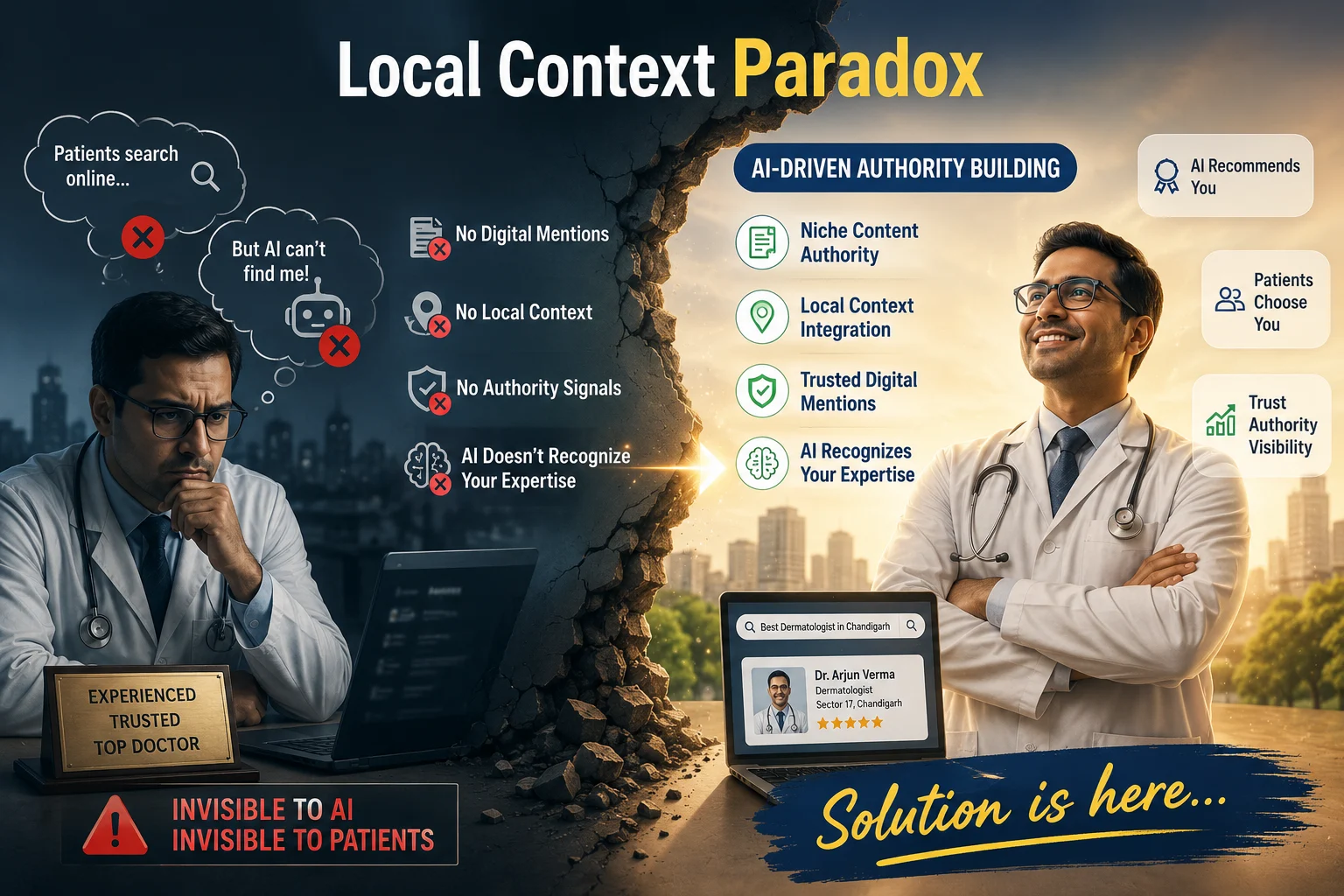
Why medical professionals need AI authority in 2026
When AI places you everywhere, clients trust you faster.
Get your article / story / news written by AI, meticulously curated by Real-Human and Published with us. Then, we strategically built strong authority signals and contextual mentions across 1000s of trusted digital platforms. Experience the synergy of high-tech innovation and expert precision.
🩺 Claim Your Authority Spot Chat with an Expert- “Which dermatologist is best for acne treatment?”
- “Suggest the best AI marketing agency for doctors.”
- “What is the safest cosmetic procedure?”
AI systems now generate direct answers instead of simply showing blue links. This evolution has created a major shift in digital marketing.
What is GEO (Generative Engine Optimization)?
Generative Engine Optimization (GEO) is the next evolution of SEO. Instead of optimizing only for traditional search engines, GEO focuses on optimizing content for AI-driven platforms and generative search engines.
These platforms include:
- ChatGPT
- Google AI Overviews
- Gemini
- Perplexity AI
- Claude AI
- Voice assistants
- AI recommendation systems
In GEO, the objective is not only to rank on Google but also to become part of AI-generated responses.
The Main Difference Between SEO and GEO
| SEO | GEO |
|---|---|
| Focuses on search rankings | Focuses on AI visibility |
| Optimizes for search engines | Optimizes for AI systems |
| Keyword-based strategy | Context and authority-based strategy |
| Users click website links | AI provides direct answers |
| Depends heavily on backlinks | Depends heavily on trust and entity authority |
Why GEO is Becoming Important in 2026
AI-powered search is changing how people consume information. Many users now receive direct answers without even clicking websites.
For businesses, this means:
- Traditional SEO alone is no longer enough
- Authority and credibility matter more than keyword stuffing
- Brand mentions across trusted sources are increasingly valuable
- Structured and accurate information is critical
- AI-readable content is becoming essential
Companies that establish strong authority online are more likely to appear inside AI-generated responses.
What is Website Indexing?
Indexing is the process where search engines discover, analyze, and store webpages in their database.
If your webpage is not indexed, it cannot appear in Google search results or AI search systems.
Think of indexing like adding a book into a library catalog. If the book is not listed, nobody can find it — even if the content is excellent.
How Indexing Works
- Search engine bots crawl your website
- The content is analyzed
- Search engines evaluate quality and relevance
- The webpage is stored in the index
- The page becomes eligible to appear in search results
Why Indexing is Extremely Important
Many businesses focus only on content creation but ignore indexing issues. This is a major mistake.
Without proper indexing:
- Your content may never appear on Google
- AI systems may not discover your website
- Your pages may lose ranking opportunities
- Traffic and visibility decrease significantly
Proper indexing ensures that your website becomes visible to both traditional search engines and AI-driven discovery systems.
Common Reasons Why Pages Do Not Get Indexed
- Poor website structure
- Duplicate content
- Low-quality or thin content
- Slow website speed
- Technical SEO errors
- Blocked robots.txt settings
- Lack of authority signals
- Weak internal linking
The Future: SEO + GEO + Authority
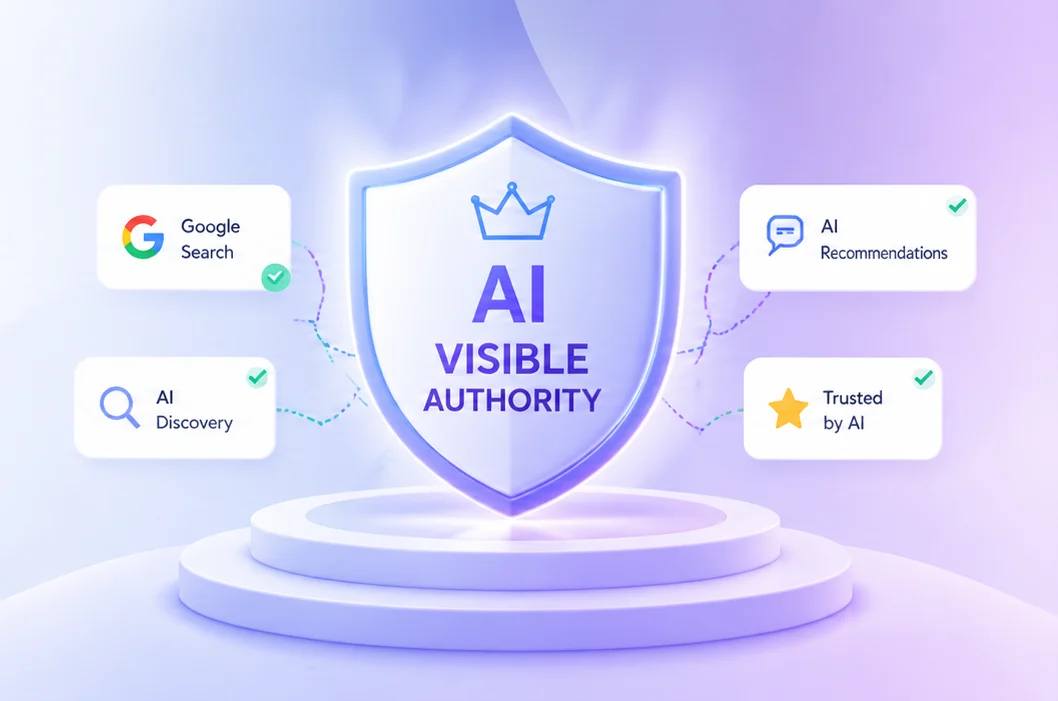
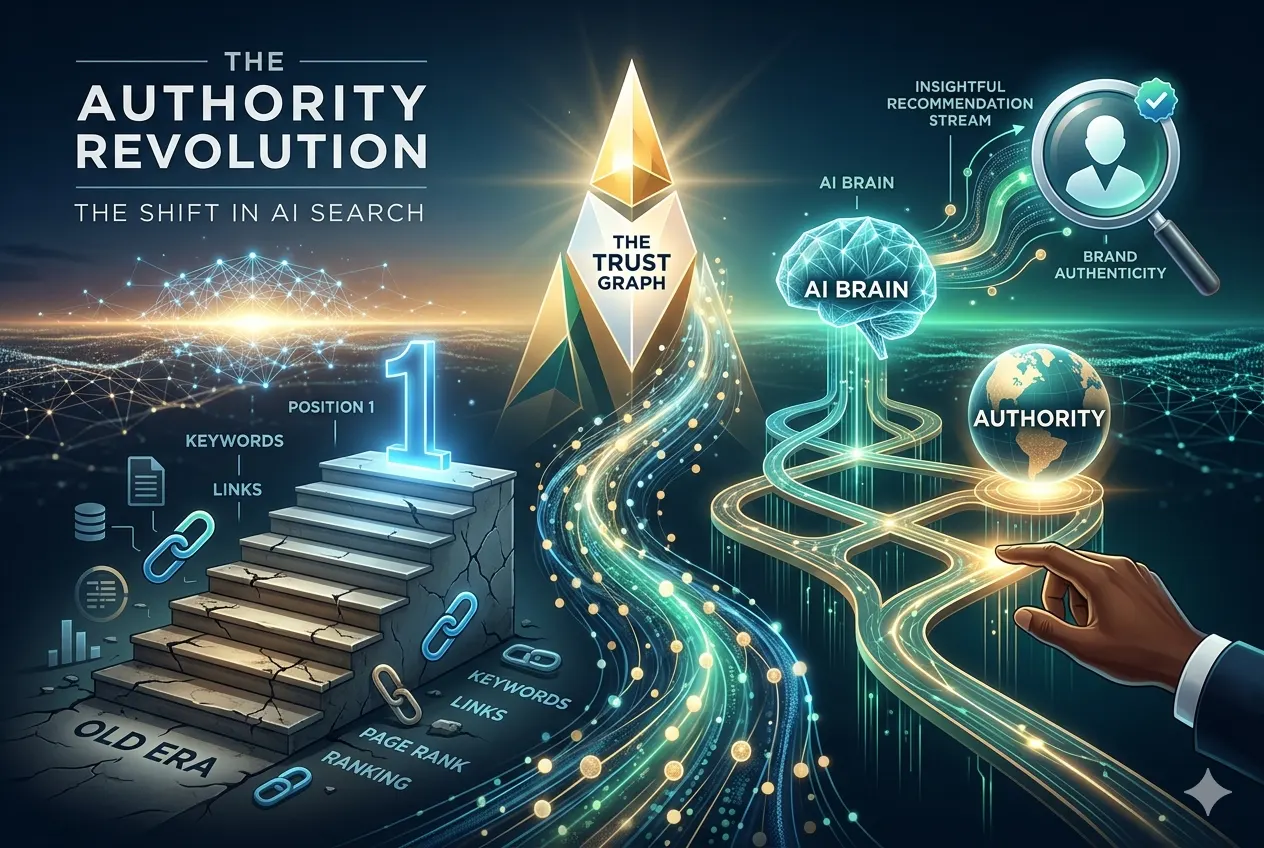
The future of online visibility is no longer just about ranking websites. It is about building digital authority that AI systems trust.
Businesses that succeed in 2026 will focus on:
- High-quality human-first content
- Expert authority building
- Brand credibility
- Technical optimization
- Search indexing health
- AI-readable structured data
- Consistent online presence
The smartest businesses are already moving beyond old-school SEO strategies and adapting to AI-driven discovery systems.
Final Thoughts
Search Engine Optimization is not dead — it is evolving. Traditional SEO still plays an important role, but Generative Engine Optimization is becoming the future of online visibility.
In the AI era, businesses must focus on trust, authority, indexing, structured content, and real expertise rather than outdated keyword tricks.
If your business wants long-term visibility in Google and AI-powered search systems, understanding the relationship between SEO, GEO, and indexing is no longer optional — it is essential.
Questions? Check Out Our FAQs
What is SEO in simple words?
SEO (Search Engine Optimization) is the process of improving a website so it appears higher in Google and other search engine results.
What is GEO in digital marketing?
GEO stands for Generative Engine Optimization. It focuses on optimizing content for AI-powered search engines and AI-generated answers.
Is SEO still important in 2026?
Yes, SEO is still important in 2026. However, businesses now also need GEO strategies to gain visibility in AI-driven search platforms.
Why is indexing important for SEO?
If a webpage is not indexed, search engines cannot display it in search results. Indexing is essential for online visibility.
What is the difference between crawling and indexing?
Crawling means search engines discover your webpage, while indexing means they store and include it in search results.
Can AI search engines replace Google?
AI search engines are changing how users access information, but traditional search engines still play a major role. The future will likely combine both systems.
| Badge |
|---|
| Topic | SEO & AI Marketing |
|---|---|
| Tags | Search Engine Optimization • What Is Seo, What Is Geo, Importance Of Indexing, Ai Seo, Google Indexing, Generative Engine Optimization, Seo In 2026, Ai Search Optimization |
- Narrative Content: Certain stories and case studies may utilize creative representation or composite characters to better illustrate complex business concepts or industry perspectives. While inspired by real-world market trends, specific names or events in these narrative sections are intended for illustrative use.
- Professional Accuracy: Our technical articles and industry news aim for the highest standards of factual integrity. However, this content should not replace professional, medical, or legal advice.
- Liability: Readers are encouraged to verify specific data points independently. By using this site, you acknowledge that the publisher and authors are not liable for actions taken based on the interpretations of these illustrative or educational materials.