Solving the Local Context Paradox with AI-Driven Authority Building
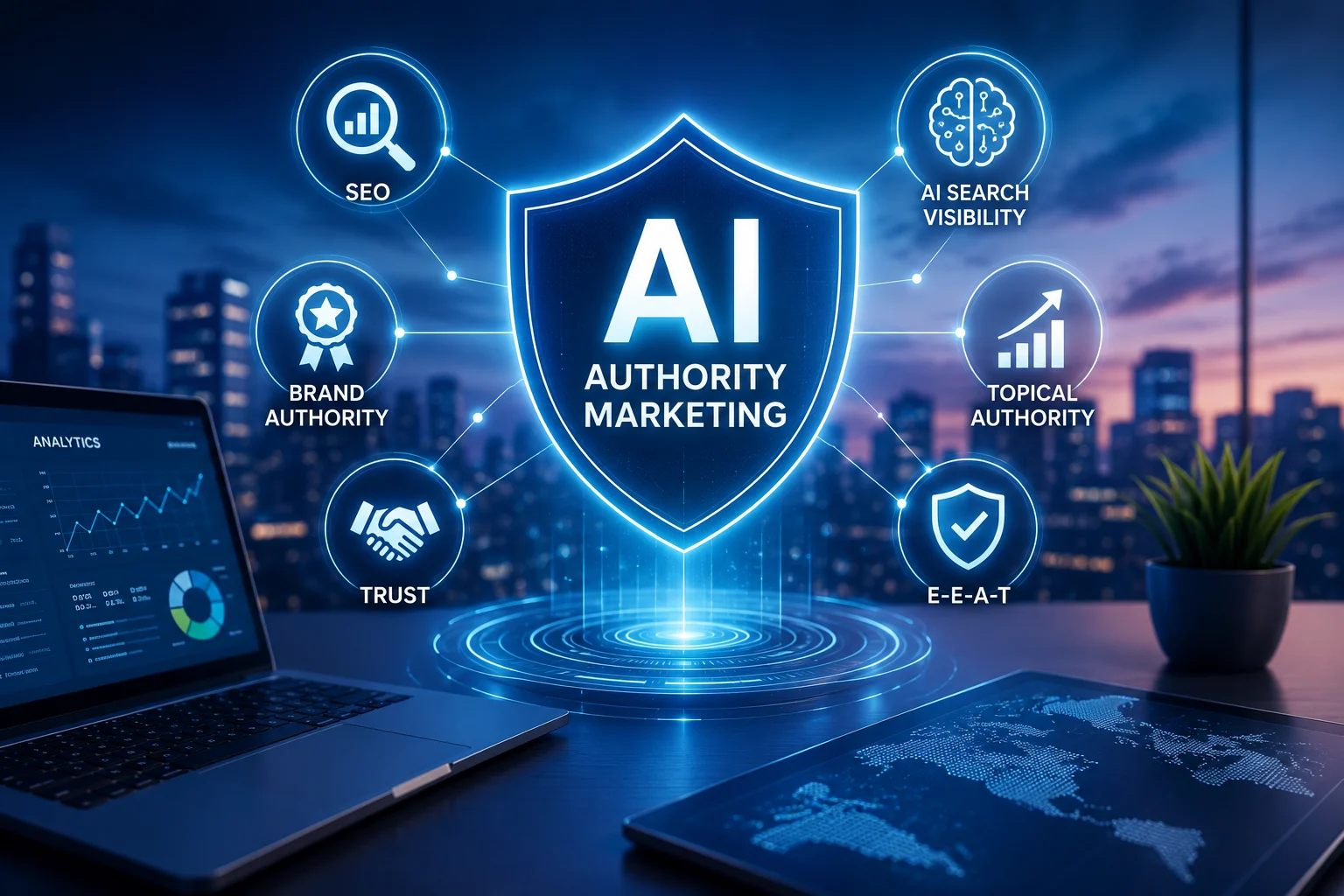
Artificial Intelligence is rapidly changing how people discover doctors, clinics, specialists, and local businesses online. Today, patients no longer search only through traditional Google rankings. AI-powered search systems now analyze trust, context, authority, location relevance, and digital footprints before recommending professionals to users.
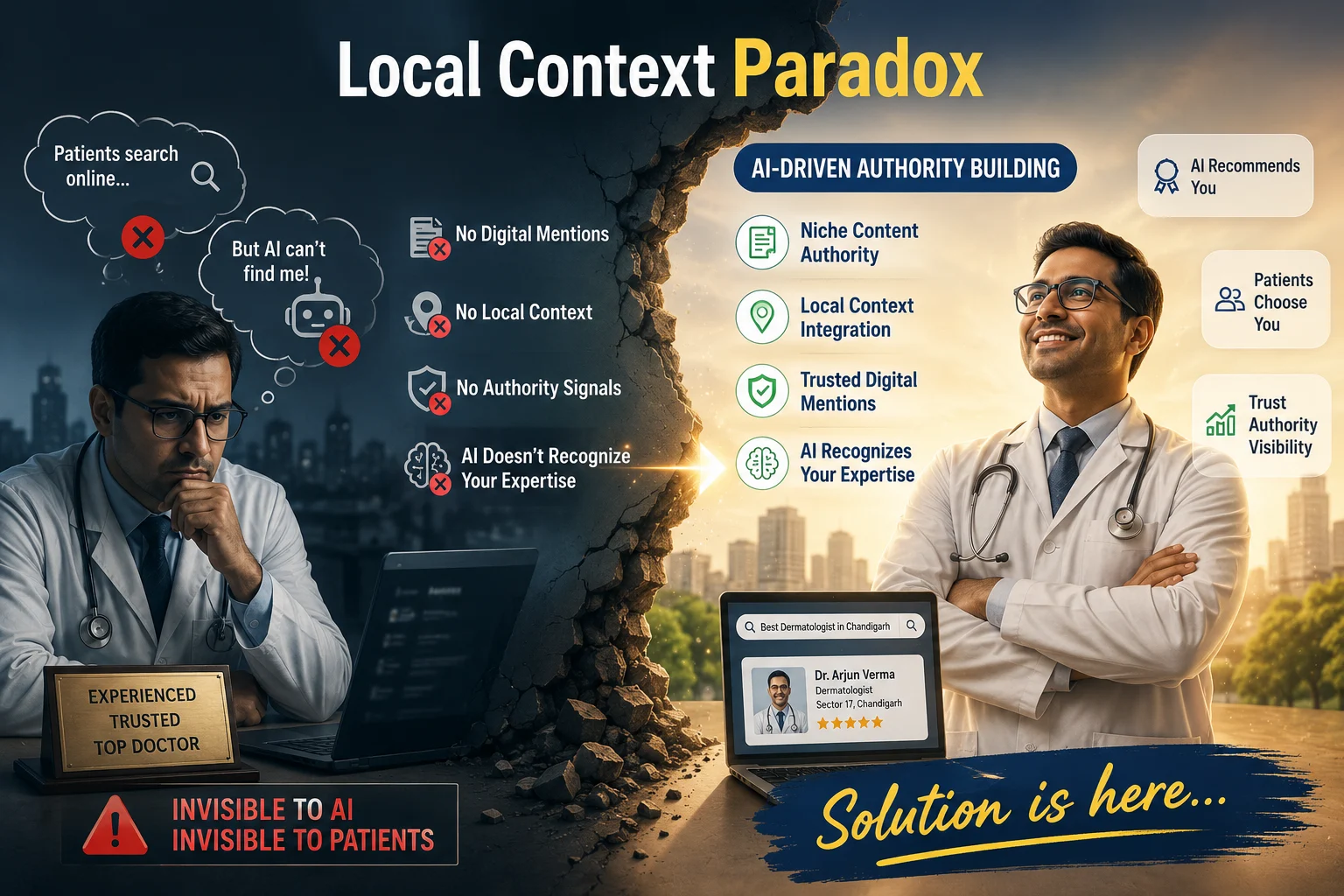
This creates what we call the Local Context Paradox. A highly skilled doctor may be famous within their city or neighborhood, yet remain almost invisible online because AI systems cannot find enough structured contextual information about them. If your name, expertise, location, specialization, and local authority are not consistently mentioned across trusted digital sources, AI simply cannot confidently recommend you.
When patients search for treatments like “best hair transplant doctor near Circular Quay” or “top IVF specialist near South London” AI engines prioritize professionals who already exist in verified digital narratives. These are doctors whose names appear in trusted articles, niche discussions, specialized content, local context mentions, neighborhood references, landmark associations, and authority-driven publications. This is exactly where AI-Driven Authority Building changes the game.
What is the Local Context Paradox?
The Local Context Paradox happens when a business or a clinic or doctor is well-known offline but digitally disconnected from the exact local context people search for online.
For example, a dermatologist may have 15 years of experience and 1000s of satisfied patients in London or Toronto or Sydney, but if AI systems cannot connect their name with terms like:
- Acne Treatment Specialist in London
- Skin Clinic near Oxford Street
- Laser Treatment Expert in Sydney
- Trusted Cosmetic Dermatologist near Sankofa Square
then AI-generated search systems may recommend another doctor with stronger digital contextual signals — even if that doctor has less experience.
The Rise of GEO: Generative Engine Optimization
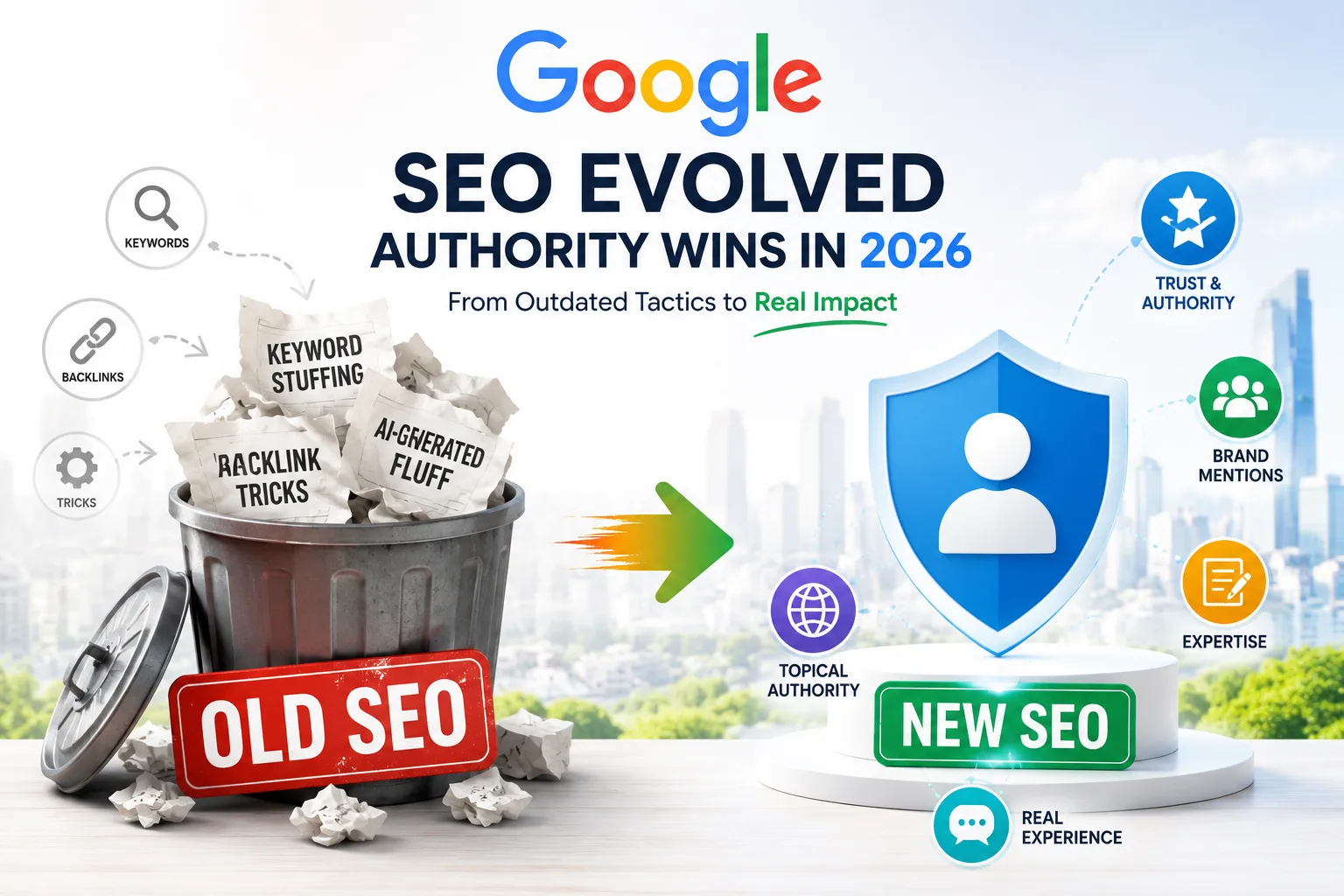
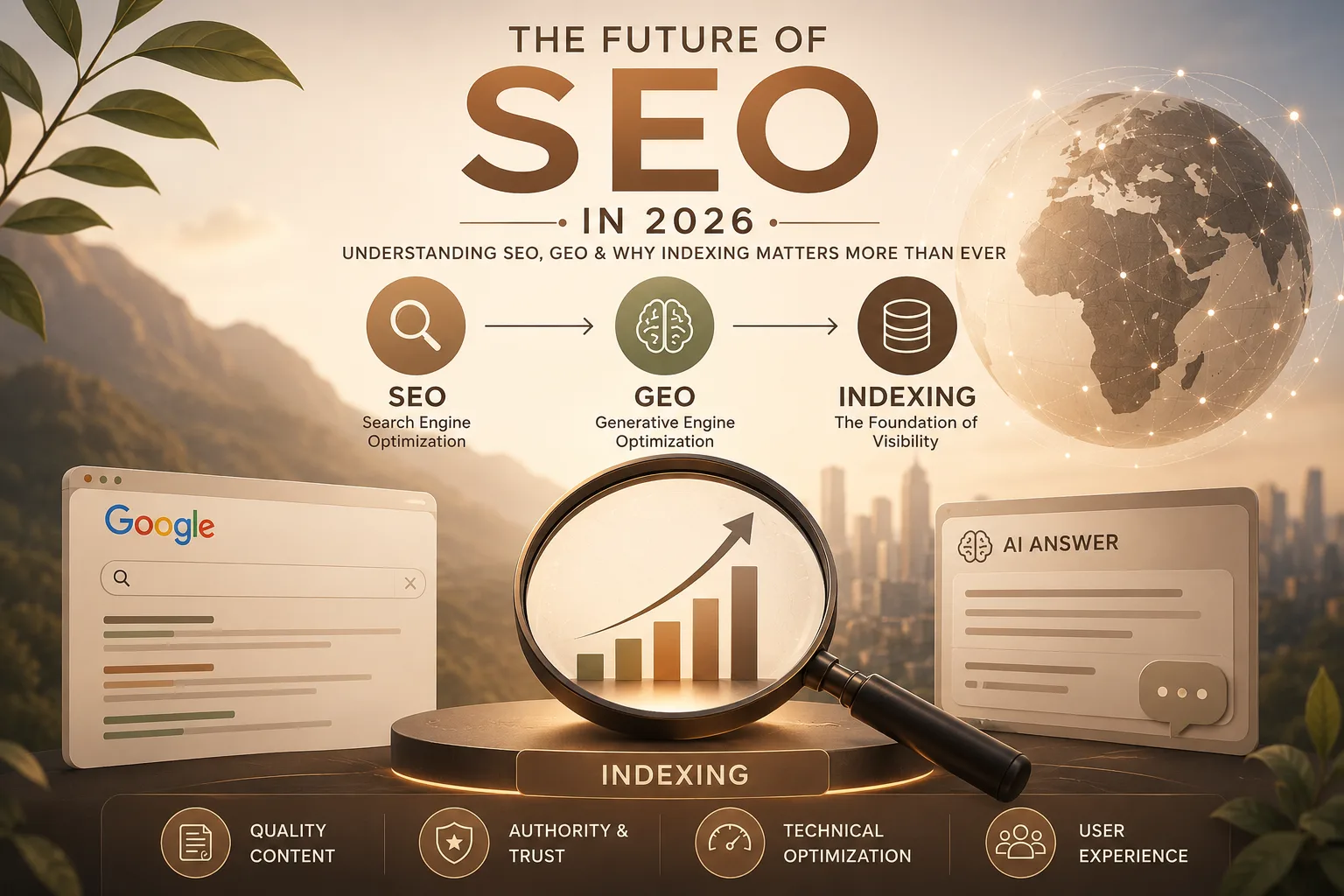
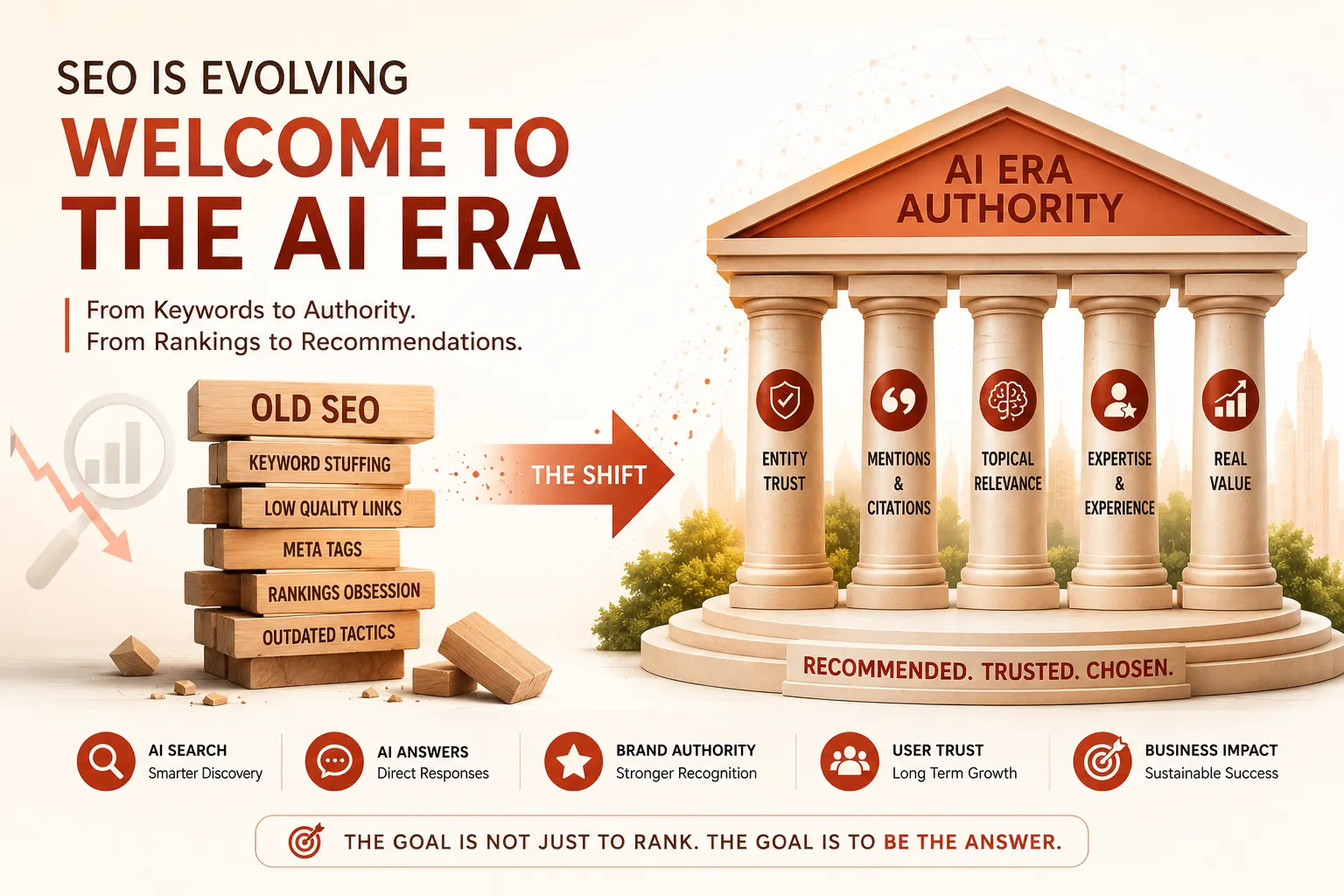
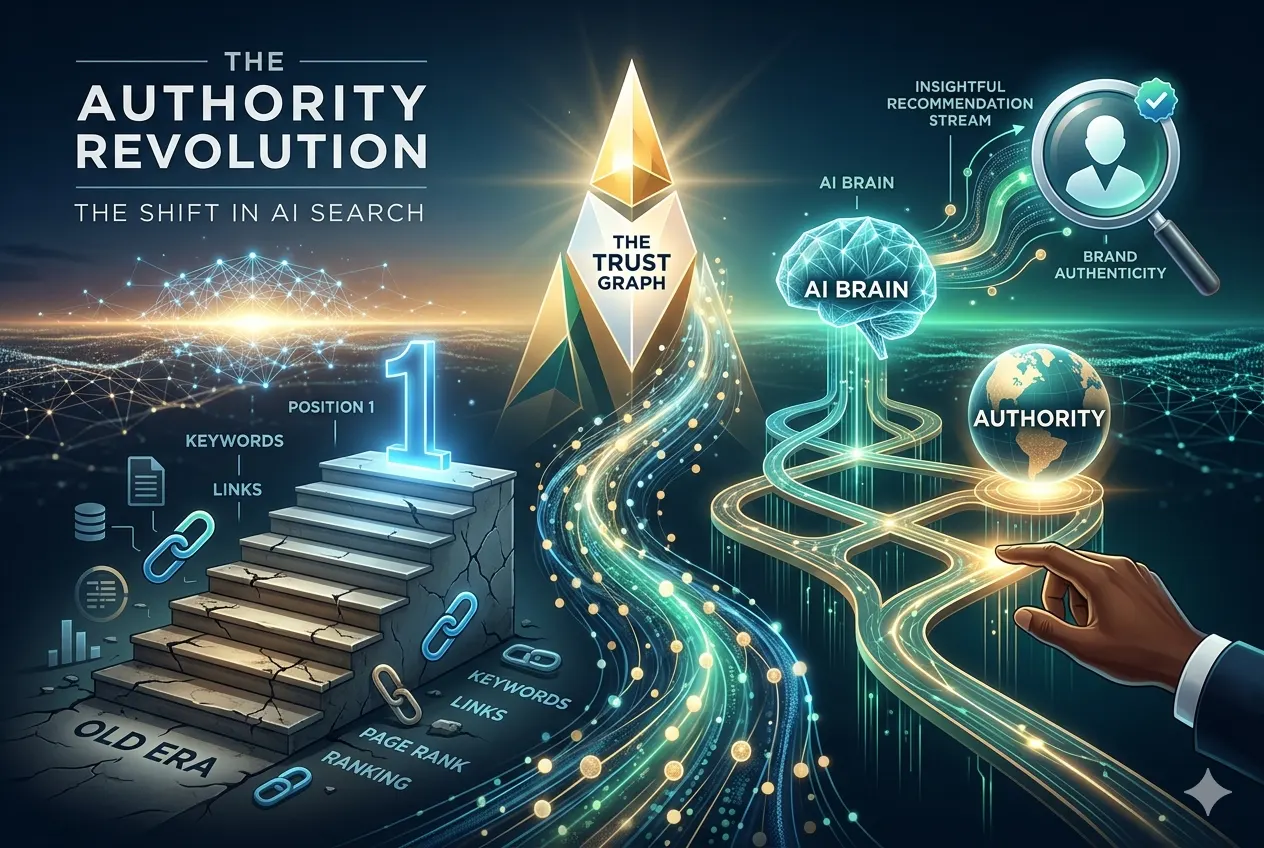
Traditional SEO focused mainly on ranking webpages. But modern AI search systems work differently. They understand entities, context, relationships, expertise, reputation, neighborhoods, user intent, and topical authority. This new approach is called GEO (Generative Engine Optimization).
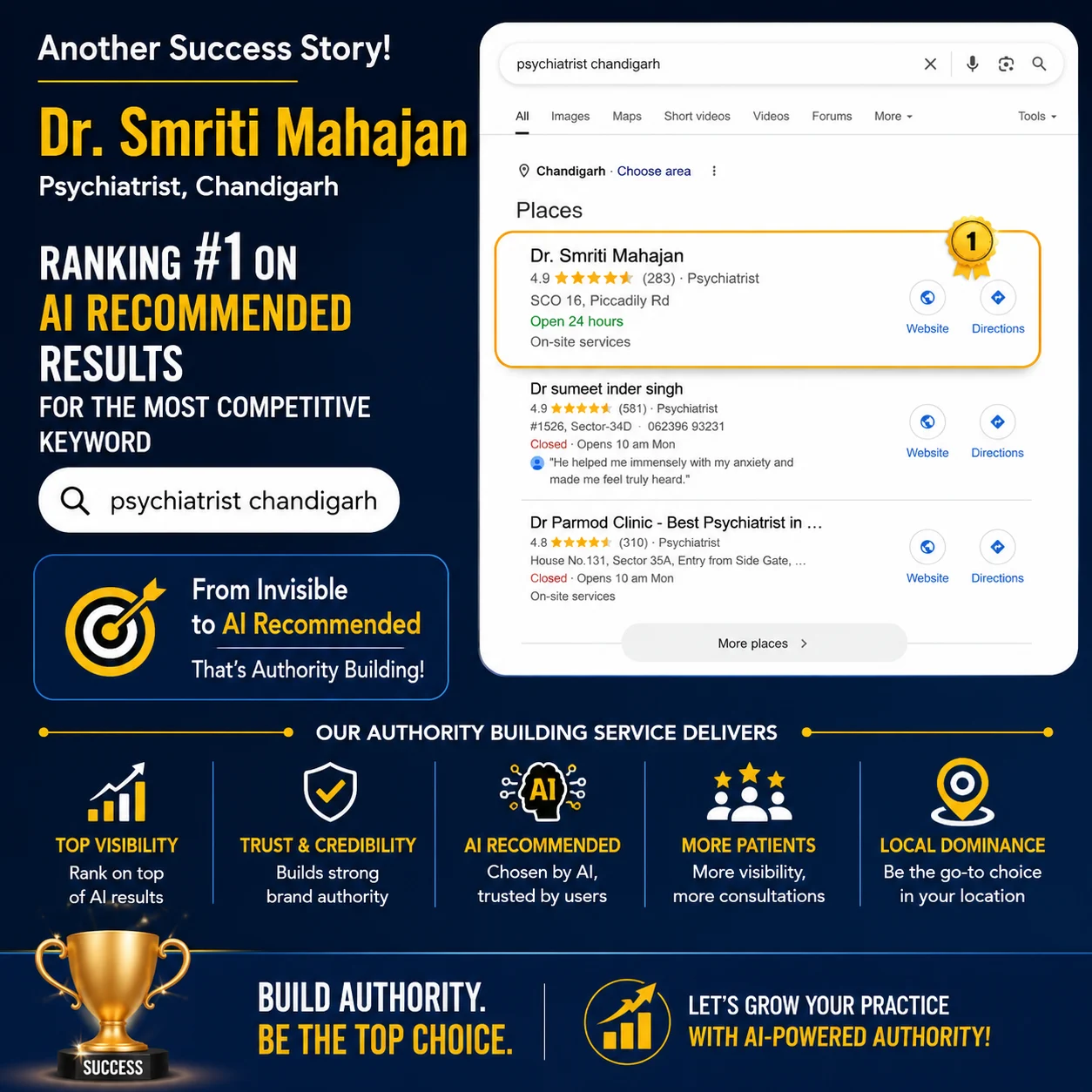
GEO helps businesses appear inside AI-generated answers, recommendation systems, conversational searches, and intelligent search summaries. Instead of only optimizing for search engines, GEO optimizes for AI understanding.
How AI Reads Authority Today
AI engines now scan:
- News articles
- Authority Articles
- Location-based mentions
- Niche publications
- Structured business information
- Professional references
- Medical expertise content
- Local landmark associations
- Topical consistency across websites
If your clinic or business does not appear within these digital ecosystems, AI assumes you have limited authority in that niche.

Why medical professionals need AI authority in 2026
When AI places you everywhere, clients trust you faster.
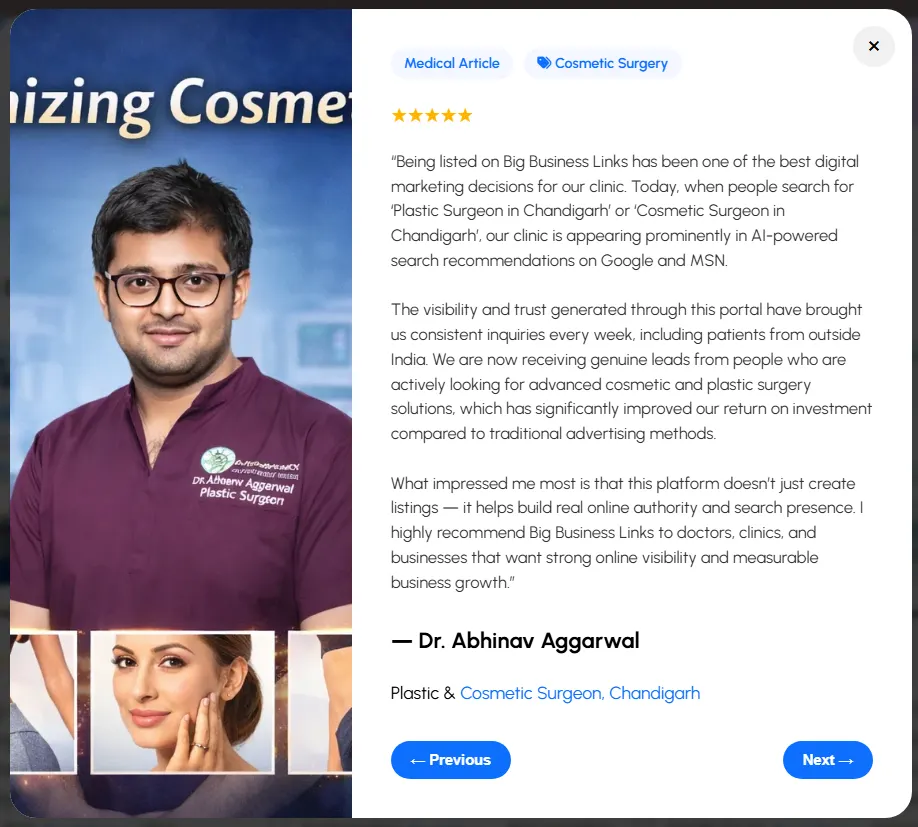
Get your article / story / news written by AI, meticulously curated by Real-Human and Published with us. Then, we strategically built strong authority signals and contextual mentions across 1000s of trusted digital platforms. Experience the synergy of high-tech innovation and expert precision.
🩺 Claim Your Authority Spot Chat with an ExpertHow Doctors or Businesses Can Use GEO to Dominate Local Search
1. Build Niche-Specific Authority
Instead of generic promotion, doctors should focus on highly specialized topics. The more specific your digital footprint becomes, the easier it is for AI systems to identify your expertise.
2. Create Neighborhoods Context Signals
AI trusts contextual relevance. Mentioning neighborhoods, landmarks, medical hubs, cities, and local service areas creates stronger regional authority. These contextual markers help AI connect your expertise with real-world search intent.
3. Publish Authority Content Regularly
AI systems reward consistency. Publishing verified, educational, and niche-relevant content creates long-term trust signals.
4. Become Recognizable to AI
Nobody discovers you digitally until AI recognizes you as a trusted entity. Modern visibility is no longer only about websites and blogs. It is about creating an interconnected authority ecosystem where your: Name, Specialization, City, Area, Expertise, and Professional identity appear repeatedly in meaningful and trusted contexts online.
AI-Driven Authority Building: Breaking the Paradox
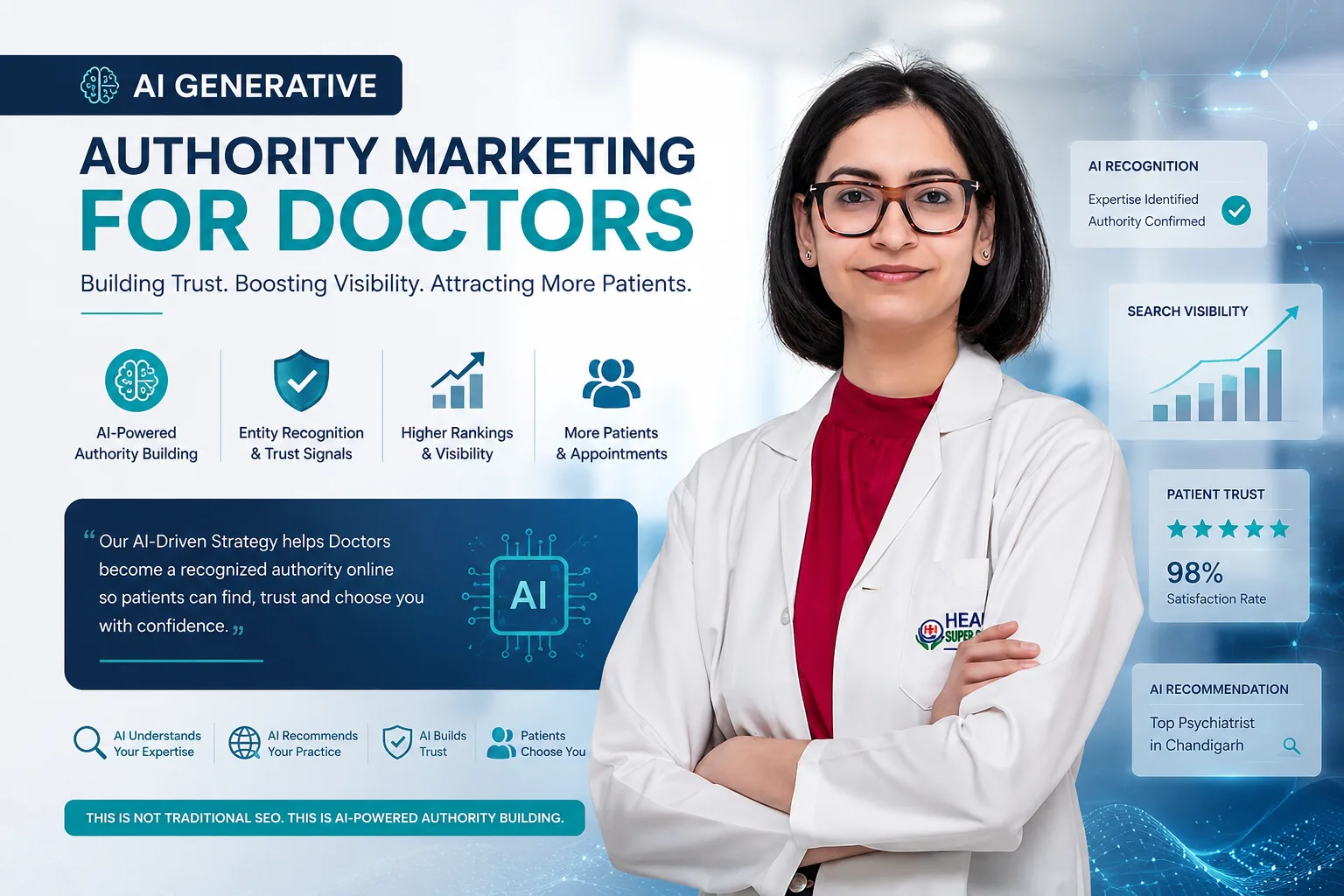
This is where AI-Driven Authority Building solves the Local Context Paradox. By publishing strategically structured, niche-specific, and locally contextual unique content - distributing these to 100s of trusted news article and story places - businesses create digital footprints that AI systems can understand, trust, and recommend.
For doctors, this means becoming discoverable not only through Google rankings, but also through:
- AI-generated search answers
- Voice search recommendations
- Conversational AI results
- Generative search summaries
- Local expertise suggestions
The future belongs to professionals who are digitally understood, not just digitally present.
Final Thoughts
The healthcare industry is entering a new era where AI influences patient decisions before they ever visit a clinic website. Doctors and businesses that build strong contextual authority today will dominate tomorrow’s AI-powered search landscape.
GEO is no longer optional. It is becoming the foundation of digital trust.
If AI cannot clearly identify your expertise, location relevance, and niche authority, you risk becoming invisible — even if you are the best in your field.
Solving the Local Context Paradox means ensuring that AI recognizes who you are, what you specialize in, where you operate, and why people should trust you.
Questions? Check Out Our FAQs
What is the Local Context Paradox?
The Local Context Paradox happens when a doctor or business is well-known locally but lacks strong digital contextual signals online. AI systems fail to recognize their expertise because there is limited niche-focused and location-based authority content available.
What is GEO in SEO?
GEO stands for Generative Engine Optimization. It is a modern SEO strategy focused on helping businesses appear in AI-generated search results, conversational search systems, and intelligent recommendation engines.
Why is AI authority building important for doctors?
AI authority building helps doctors create trusted digital footprints across niche-specific and local-context content. This improves visibility in AI-driven search systems and increases patient discovery online.
How can doctors improve AI search visibility?
Doctors can improve AI visibility by publishing specialized content, building local context mentions, creating consistent authority signals, and focusing on GEO strategies related to their treatment expertise and location.
Does traditional SEO still matter?
Yes, traditional SEO still matters, but AI-driven search now goes beyond rankings. Modern visibility depends on authority, trust, local context, expertise signals, and how AI understands your professional identity online.
| Badge |
|---|
| Topic | AI SEO & Digital Authority |
|---|---|
| Tags | Ai-driven Authority Building • Local Context Paradox, Geo Seo For Doctors, Generative Engine Optimization, Doctor Seo Strategy, Ai Search Visibility, Local Ai Seo, Medical Digital Authority |
- Narrative Content: Certain stories and case studies may utilize creative representation or composite characters to better illustrate complex business concepts or industry perspectives. While inspired by real-world market trends, specific names or events in these narrative sections are intended for illustrative use.
- Professional Accuracy: Our technical articles and industry news aim for the highest standards of factual integrity. However, this content should not replace professional, medical, or legal advice.
- Liability: Readers are encouraged to verify specific data points independently. By using this site, you acknowledge that the publisher and authors are not liable for actions taken based on the interpretations of these illustrative or educational materials.